
RFQ Preparation Checklist
- Target feed rate and torque-at-speed requirements
- Extruder interface drawing and installation limits
- Repeatability tolerance and material process context
- Prototype quantity and launch timeline
Selection framework for extruder-side gearhead integration with focus on low-speed smoothness, repeatable feed, and OEM validation scope.
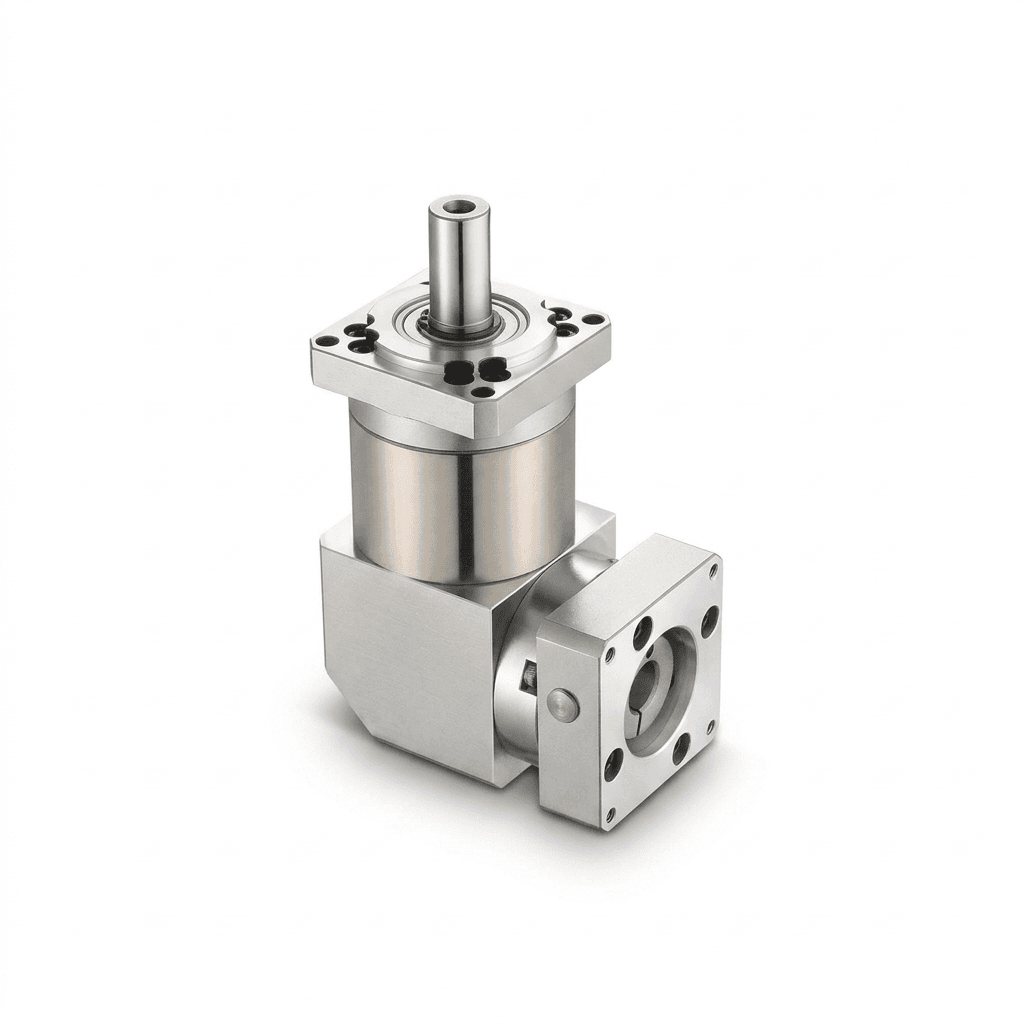
| Evaluation Metric | Typical Range | Buyer Relevance |
|---|---|---|
| Low-Speed Smoothness | No visible speed hunting in operating band | Supports stable feed and print-quality consistency. |
| Repeatability | Process-defined tolerance | Reduces variation between prints and improves batch predictability. |
This worksheet helps cross-functional teams convert scenario assumptions into measurable evaluation gates before RFQ lock.
| Decision Gate | Why It Matters | Input to Send | Exit Condition |
|---|---|---|---|
| Low-Speed Smoothness | Supports stable feed and print-quality consistency. | Target feed rate and torque-at-speed requirements | Mitigation agreed: Validate against start-stop commands, retraction behavior, and thermal load variation. |
| Repeatability | Reduces variation between prints and improves batch predictability. | Extruder interface drawing and installation limits | Mitigation agreed: Validate against start-stop commands, retraction behavior, and thermal load variation. |
Recommended first-thread payload: motion profile, transient peaks, duty cycle, interface revision, and pilot schedule.
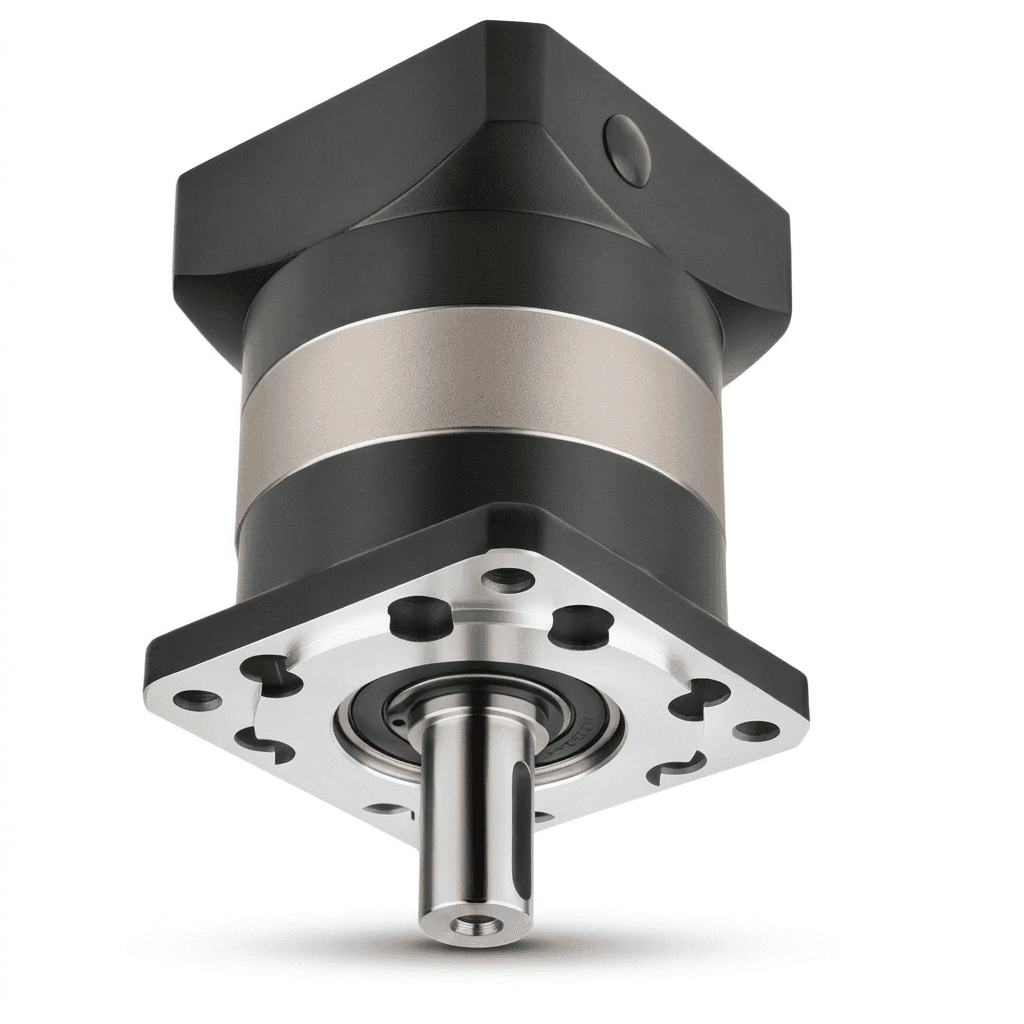
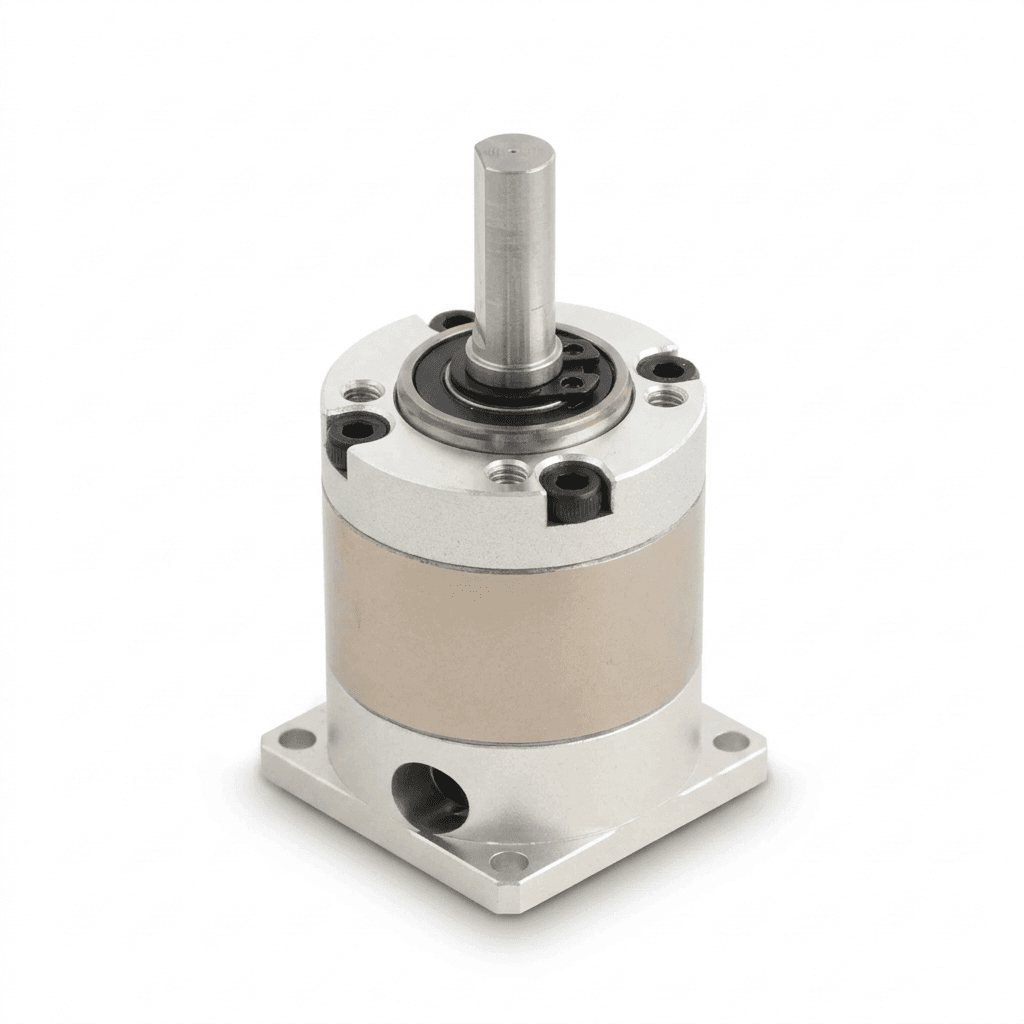
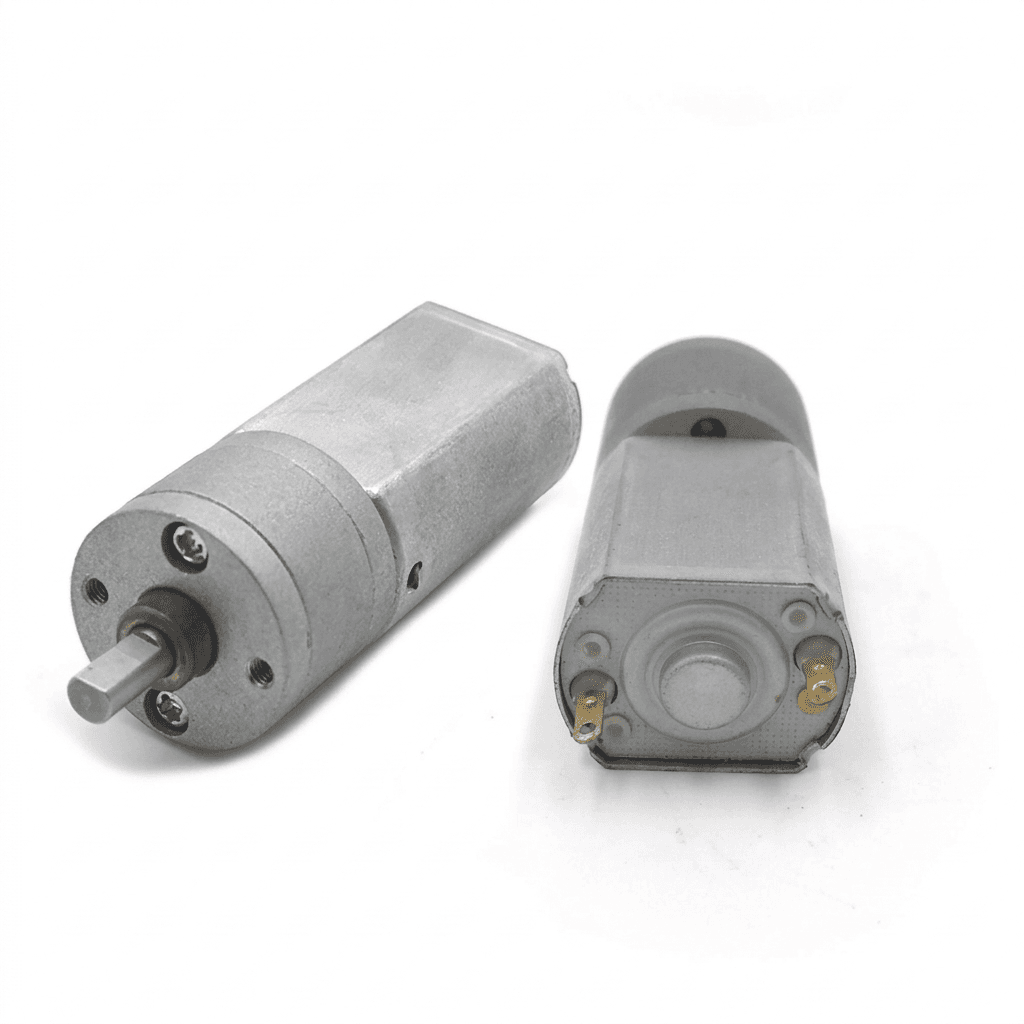
Yes. Share process conditions and control constraints, and we can provide a pre-match recommendation set.
Use these references to turn scenario assumptions into measurable motor-gearhead selection criteria.
Build first-pass ratio boundaries from inertia and torque before vendor comparison.
Pick frame size by actual duty profile, torque reserve, and thermal margin.
Translate technical reliability assumptions into procurement decisions with fewer ramp surprises.
Inquiry Email
Start inquiry opens your default email app.