
RFQ Preparation Checklist
- Required torque at speed and overload envelope
- Backlash expectation for machining quality
- Duty cycle and coolant/environment constraints
- Mounting interface and installation limits
Practical sizing framework for CNC rotary axes with focus on torque reserve, backlash control, and lifecycle stability.
| Evaluation Metric | Typical Range | Buyer Relevance |
|---|---|---|
| Output Backlash | 3-12 arcmin | Affects indexing precision and contour consistency. |
| Torque Reserve | >= 20% design margin | Prevents early wear and instability during transient loads. |
This worksheet helps cross-functional teams convert scenario assumptions into measurable evaluation gates before RFQ lock.
| Decision Gate | Why It Matters | Input to Send | Exit Condition |
|---|---|---|---|
| Output Backlash | Affects indexing precision and contour consistency. | Required torque at speed and overload envelope | Mitigation agreed: Include acceleration and cutting peak events in torque calculations. |
| Torque Reserve | Prevents early wear and instability during transient loads. | Backlash expectation for machining quality | Mitigation agreed: Include acceleration and cutting peak events in torque calculations. |
Recommended first-thread payload: motion profile, transient peaks, duty cycle, interface revision, and pilot schedule.
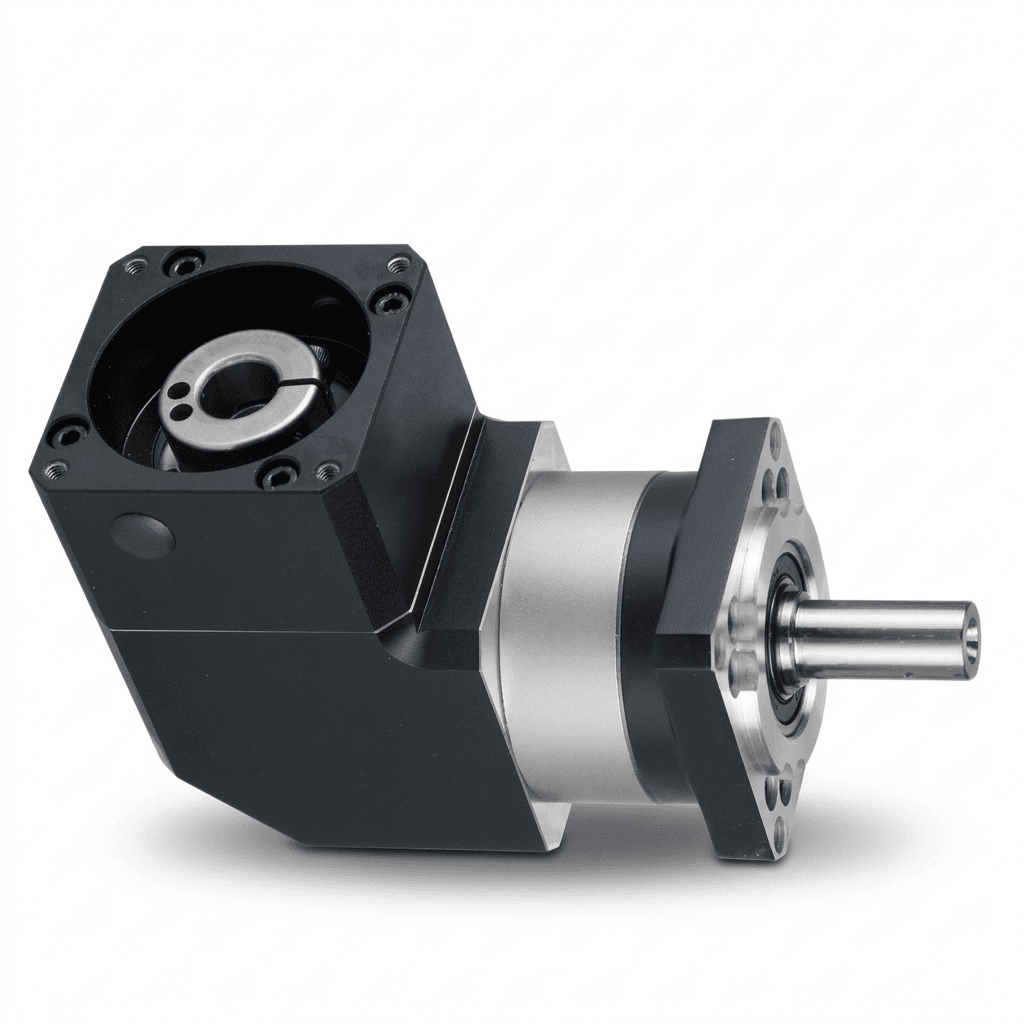
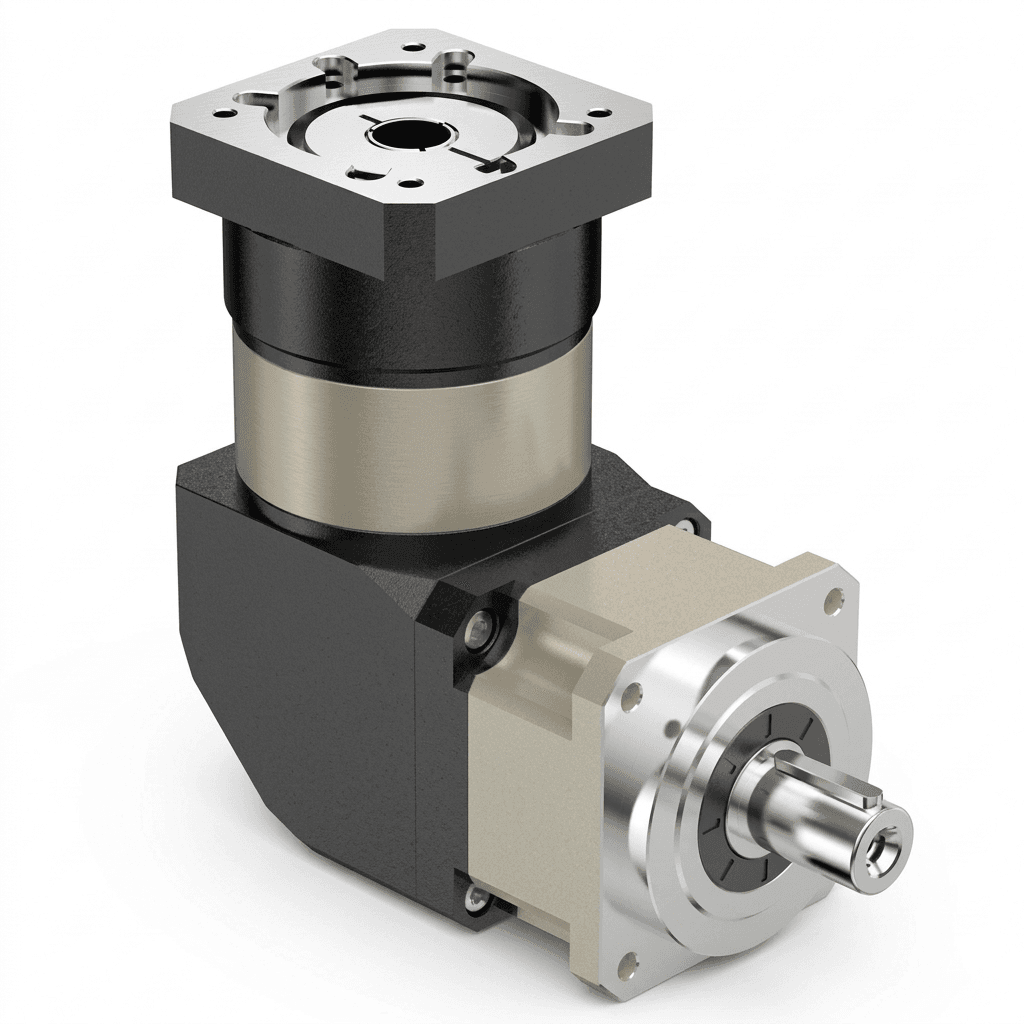
Yes. We provide ratio recommendations based on torque-speed and inertia trade-offs.
Use these references to turn scenario assumptions into measurable motor-gearhead selection criteria.
Build first-pass ratio boundaries from inertia and torque before vendor comparison.
Pick frame size by actual duty profile, torque reserve, and thermal margin.
Translate technical reliability assumptions into procurement decisions with fewer ramp surprises.
Inquiry Email
Start inquiry opens your default email app.