
Required Min Ratio
7.44 : 1
Max of inertia and torque constraints.
Estimate reduction-ratio direction from inertia and torque inputs before finalizing a planetary gearhead RFQ.
This tool supports buyer-side pre-checks for servo integration. For final model freeze, pair this output with full-axis dynamics, mounting constraints, and sample validation criteria.
Use these model references while checking reflected inertia and ratio direction before opening supplier discussions.
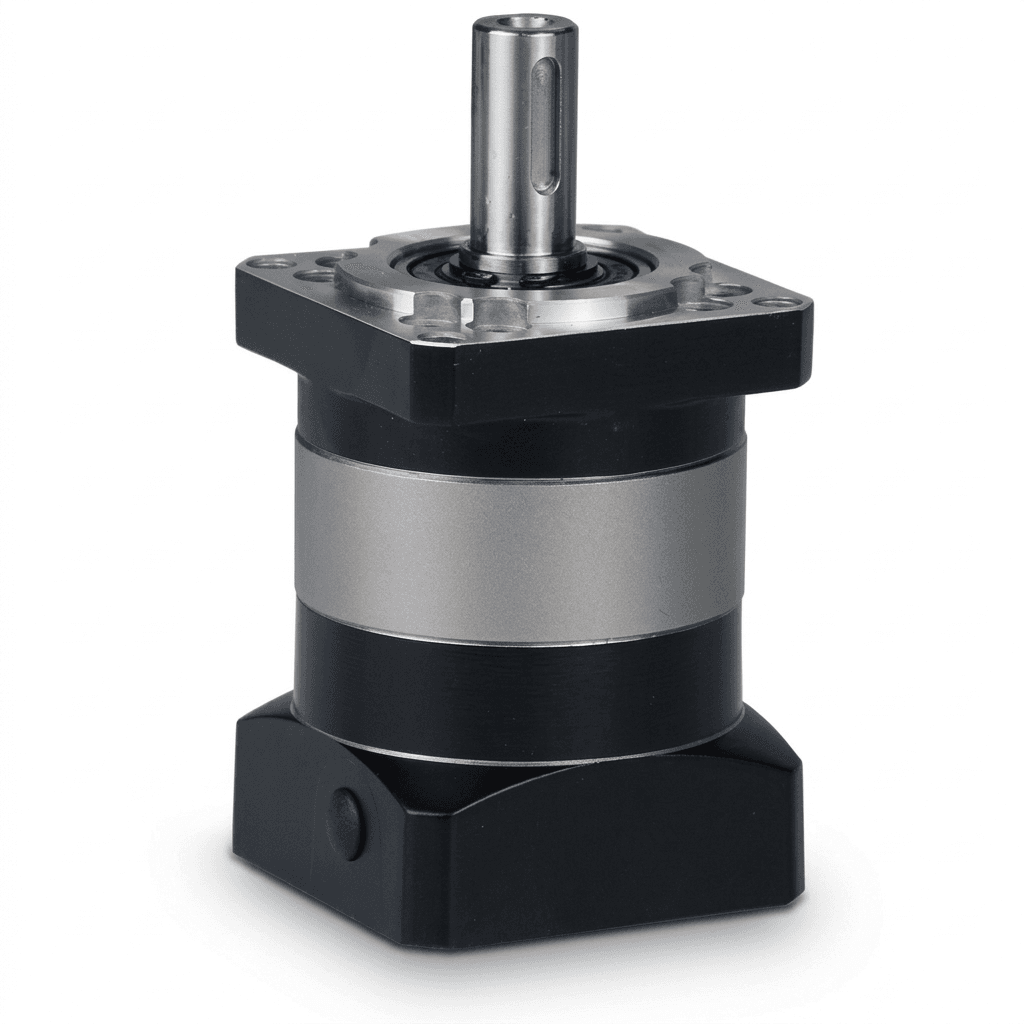
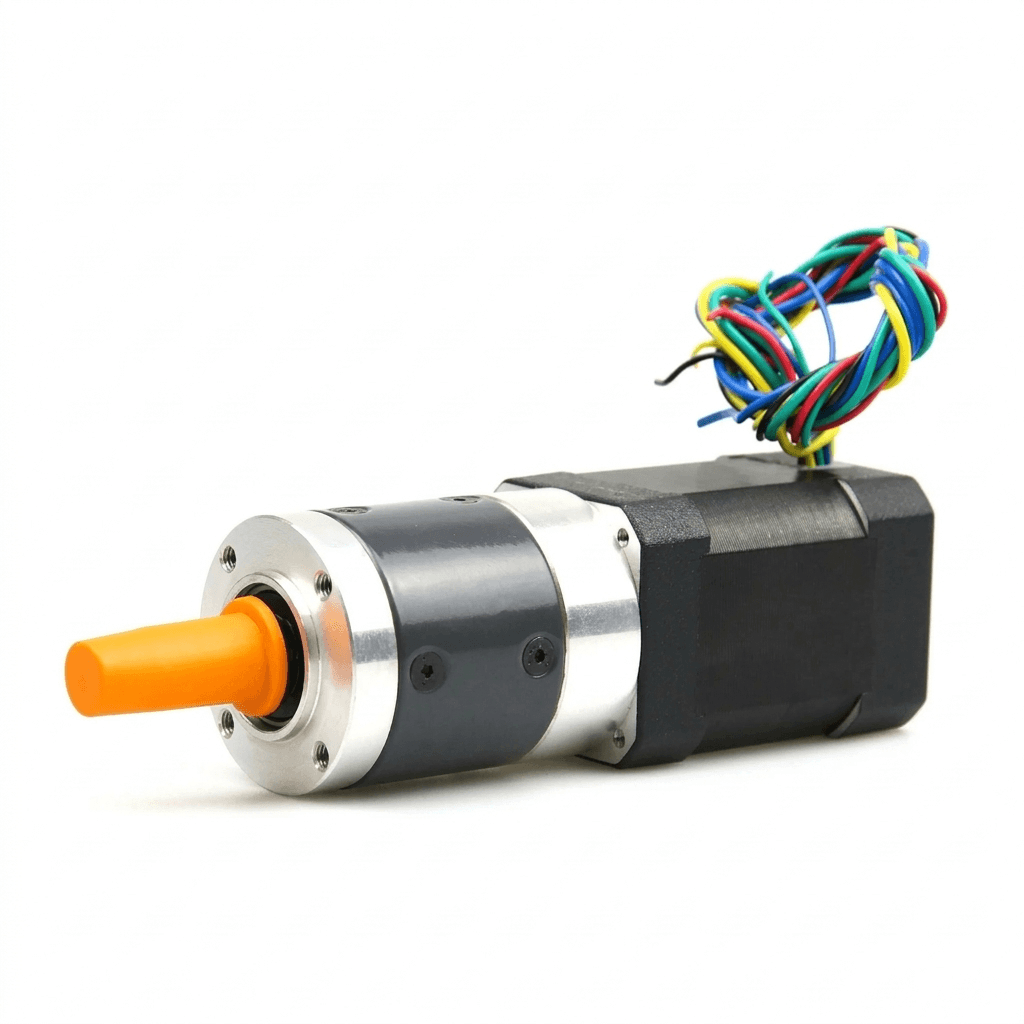
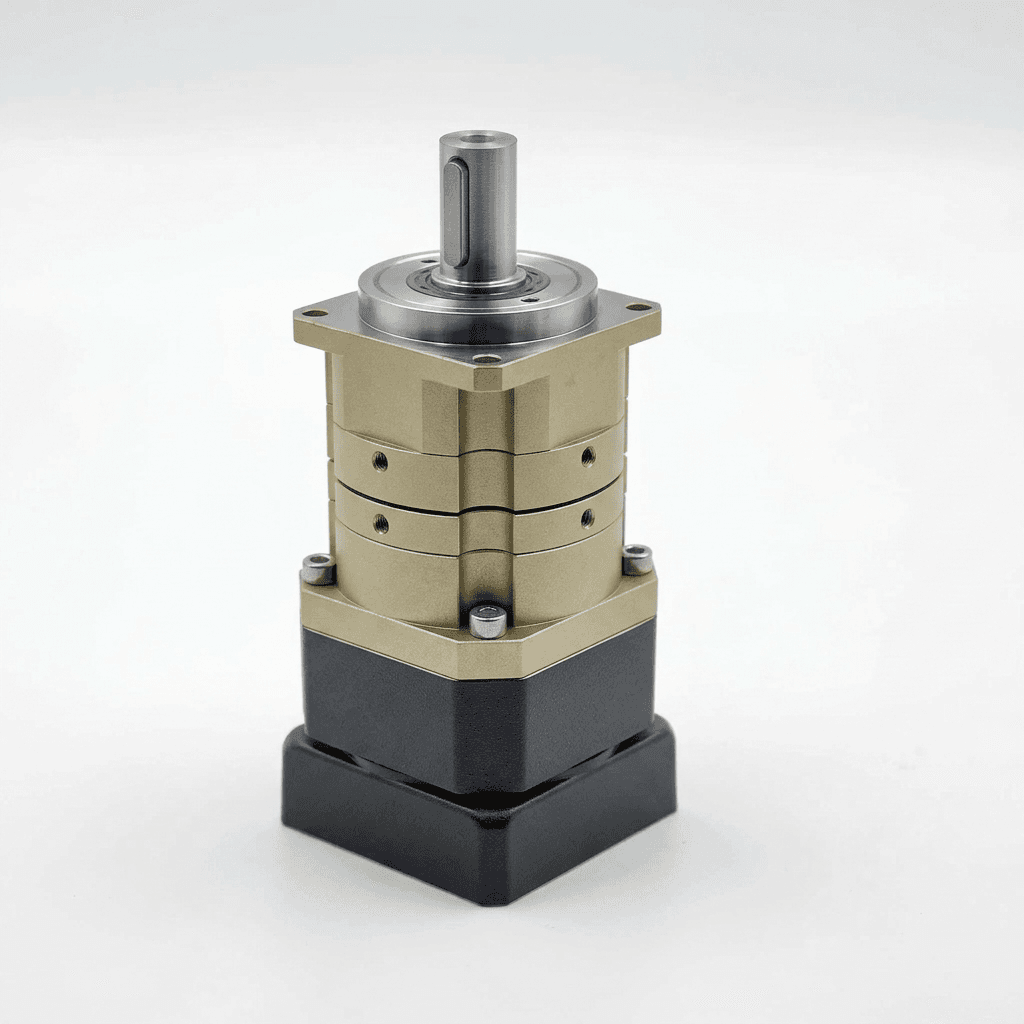
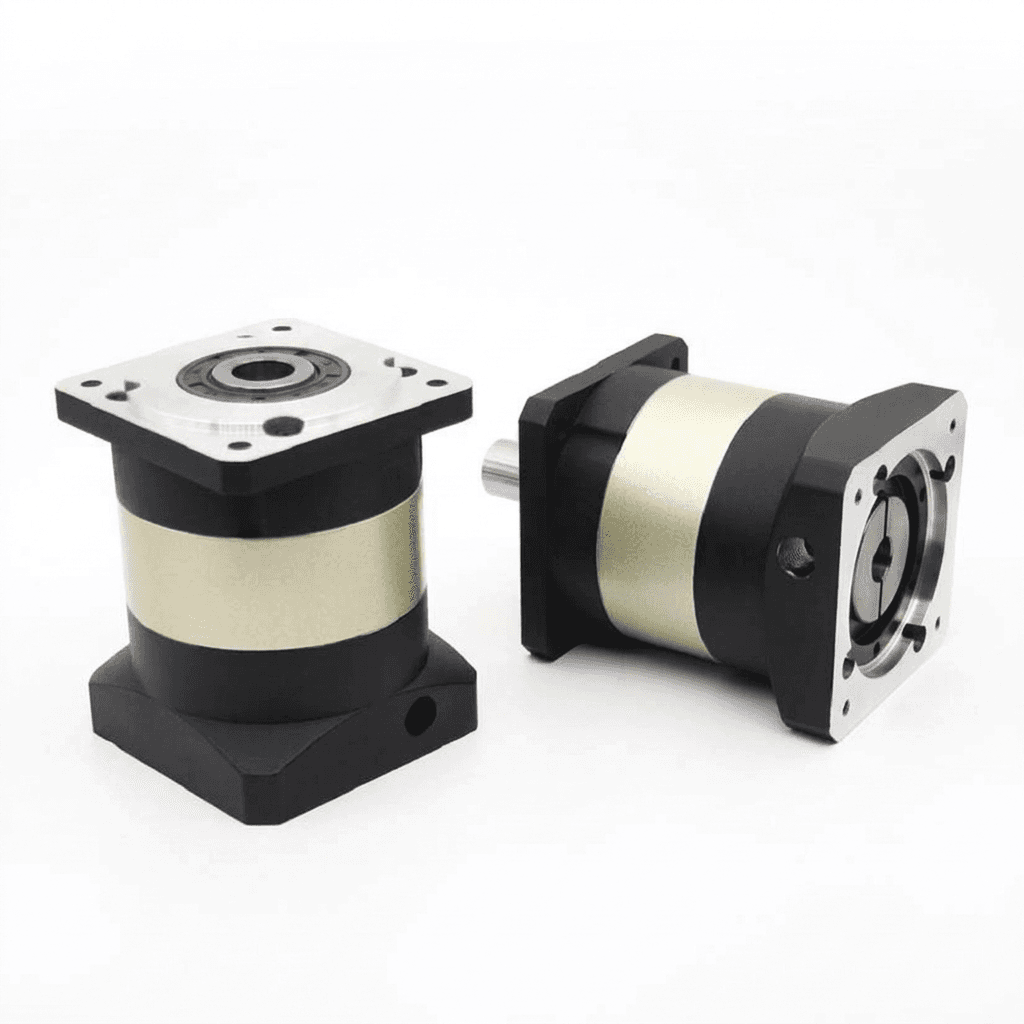
Enter motor inertia, load inertia, and torque targets to estimate a practical reduction-ratio range for servo stability and torque margin.
Practical rule: keep reflected inertia ratio around 5:1 or lower for easier servo tuning. Use this as a pre-RFQ estimate, then validate with full motion profile and mechanism dynamics.
Required Min Ratio
7.44 : 1
Max of inertia and torque constraints.
Inertia-Limited Ratio
2.31 : 1
Based on target inertia ratio 5.
Torque-Limited Ratio
7.44 : 1
Load peak torque vs motor rated torque and efficiency.
Suggested Standard Start
10 : 1
First viable standard ratio from this estimate.
Motor inertia: 4.500e-5 kg·m² · Load inertia: 1.200e-3 kg·m²
| Ratio | Reflected Inertia (kg·m²) | Inertia Ratio | Available Output Torque (N·m) | Torque Margin | Status |
|---|---|---|---|---|---|
| 5:1 | 4.800e-5 | 1.07 | 5.71 | 0.67x | Excellent Inertia ✓ / Torque ✕ |
| 7:1 | 2.449e-5 | 0.54 | 8.00 | 0.94x | Excellent Inertia ✓ / Torque ✕ |
| 10:1 | 1.200e-5 | 0.27 | 11.43 | 1.34x | Excellent Inertia ✓ / Torque ✓ |
| 15:1 | 5.333e-6 | 0.12 | 17.14 | 2.02x | Excellent Inertia ✓ / Torque ✓ |
| 20:1 | 3.000e-6 | 0.07 | 22.86 | 2.69x | Excellent Inertia ✓ / Torque ✓ |
| 25:1 | 1.920e-6 | 0.04 | 28.57 | 3.36x | Excellent Inertia ✓ / Torque ✓ |
| 30:1 | 1.333e-6 | 0.03 | 34.29 | 4.03x | Excellent Inertia ✓ / Torque ✓ |
| 40:1 | 7.500e-7 | 0.02 | 45.72 | 5.38x | Excellent Inertia ✓ / Torque ✓ |
Send your duty cycle, load profile, and motor details. We can return a ratio recommendation and integration notes for your RFQ.
Inquiry Email
Start inquiry opens your default email app.
Use these articles to move from ratio estimate to project-ready architecture and supplier decisions.
Detailed method behind reflected inertia logic and first-pass ratio boundaries.
Frame-size implications for torque reserve, thermal behavior, and integration risk.
Convert technical assumptions into procurement and repeat-order execution criteria.