
RFQ Checklist
- Target motor model and flange standard (NEMA or metric)
- Required ratio, output torque, and max input speed
- Backlash target and load inertia estimate
- Prototype quantity and mass-production forecast
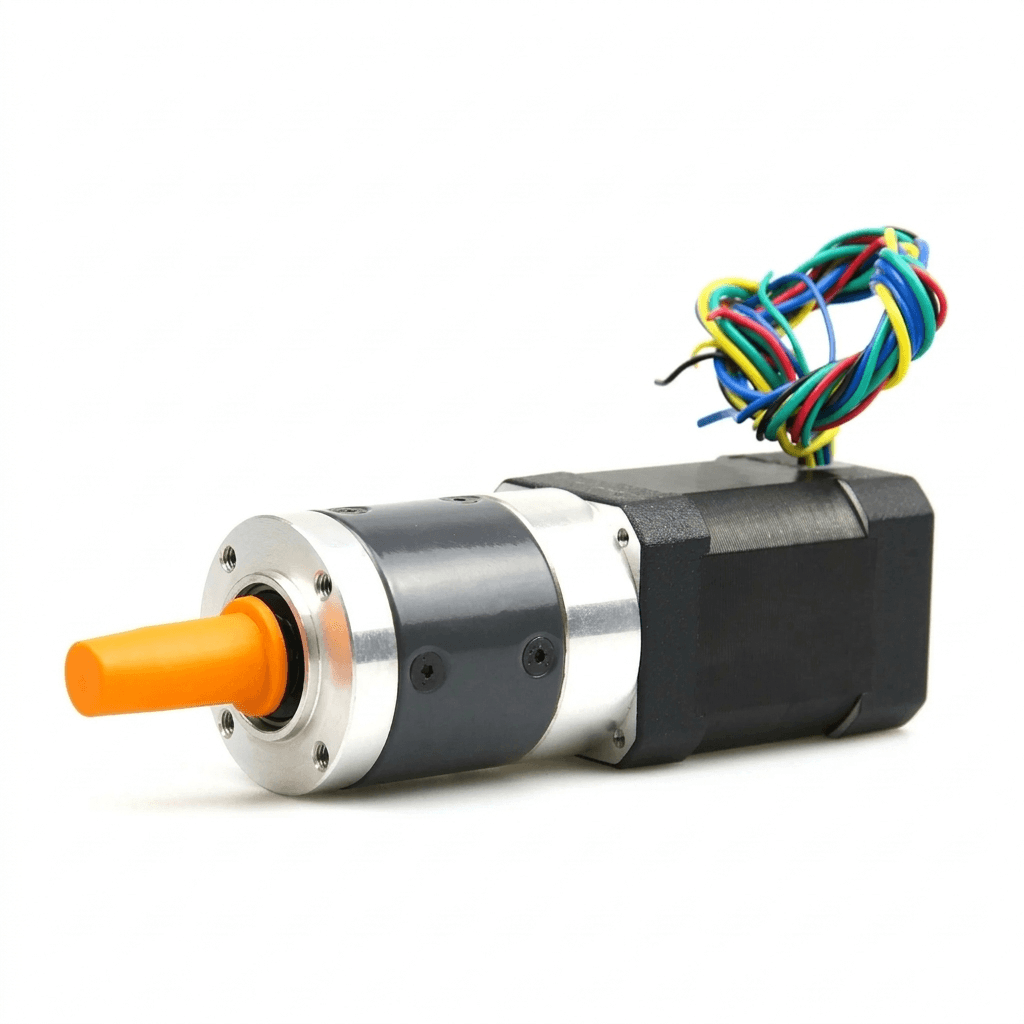
High-precision inline planetary gearheads for servo and stepper motor integration with low-backlash control.
| Metric | Typical Range | Why It Matters |
|---|---|---|
| Backlash Class | 3-15 arcmin | Backlash class directly affects positioning stability and vibration control. |
| Nominal Ratio | 3:1 to 100:1 | Ratio determines trade-off between output torque and achievable speed. |
Use this worksheet in your internal review to convert assumptions into explicit RFQ inputs before supplier quotation.
| Decision Gate | Buyer Question | Evidence to Request | Release Condition |
|---|---|---|---|
| Backlash Class | Backlash class directly affects positioning stability and vibration control. | Target motor model and flange standard (NEMA or metric) | Risk control agreed: Validate against full motion profile including acceleration and cycle time. |
| Nominal Ratio | Ratio determines trade-off between output torque and achievable speed. | Required ratio, output torque, and max input speed | Risk control agreed: Freeze shaft, flange, and pilot dimensions before prototype release. |
Minimum first-email payload: motor model, load profile, target ratio range, acceptance threshold, and sample quantity timeline.
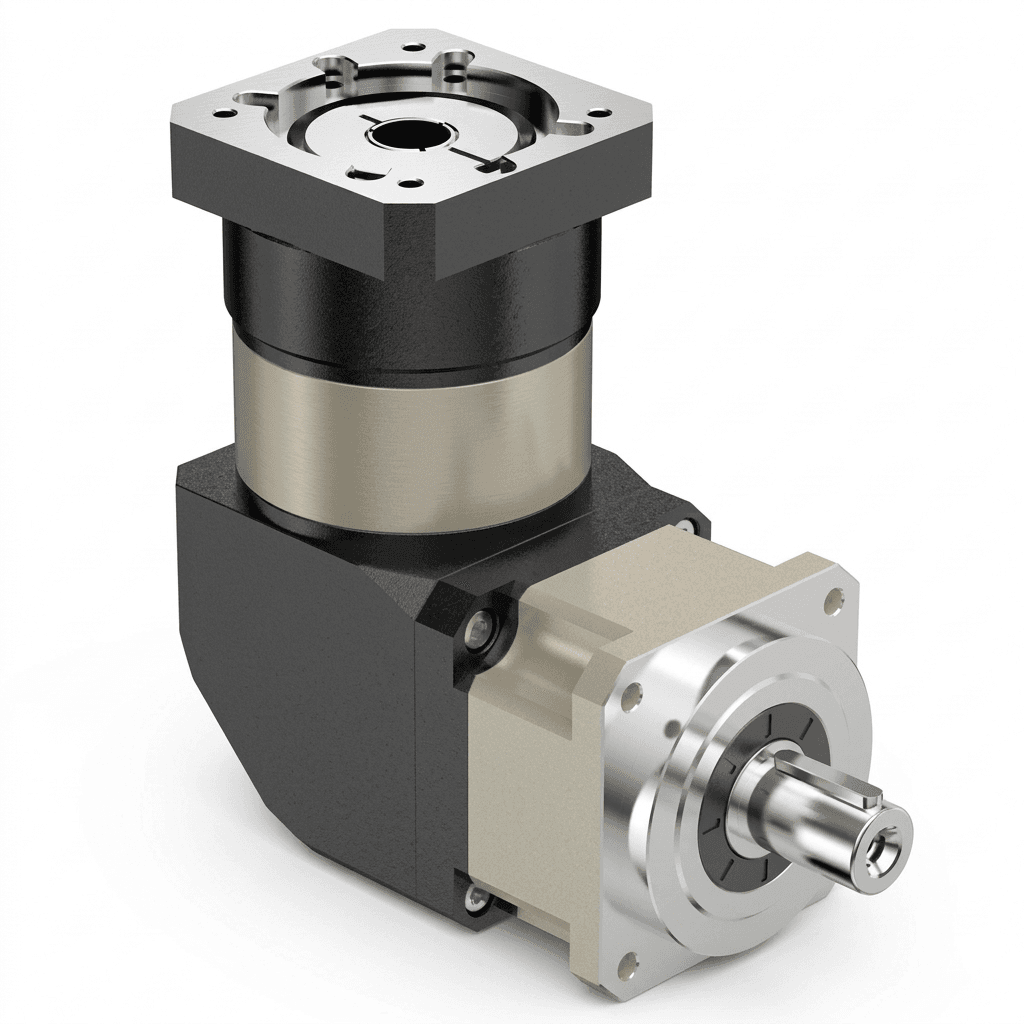
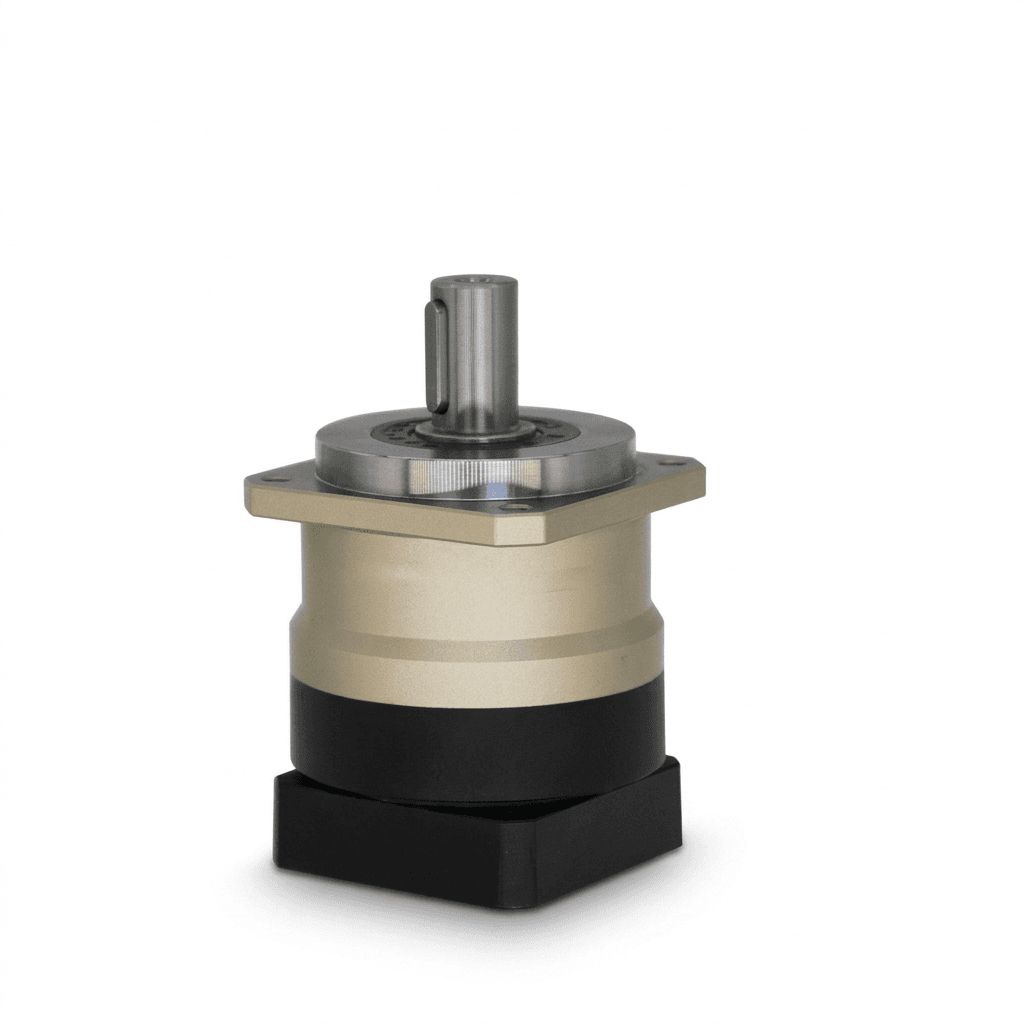
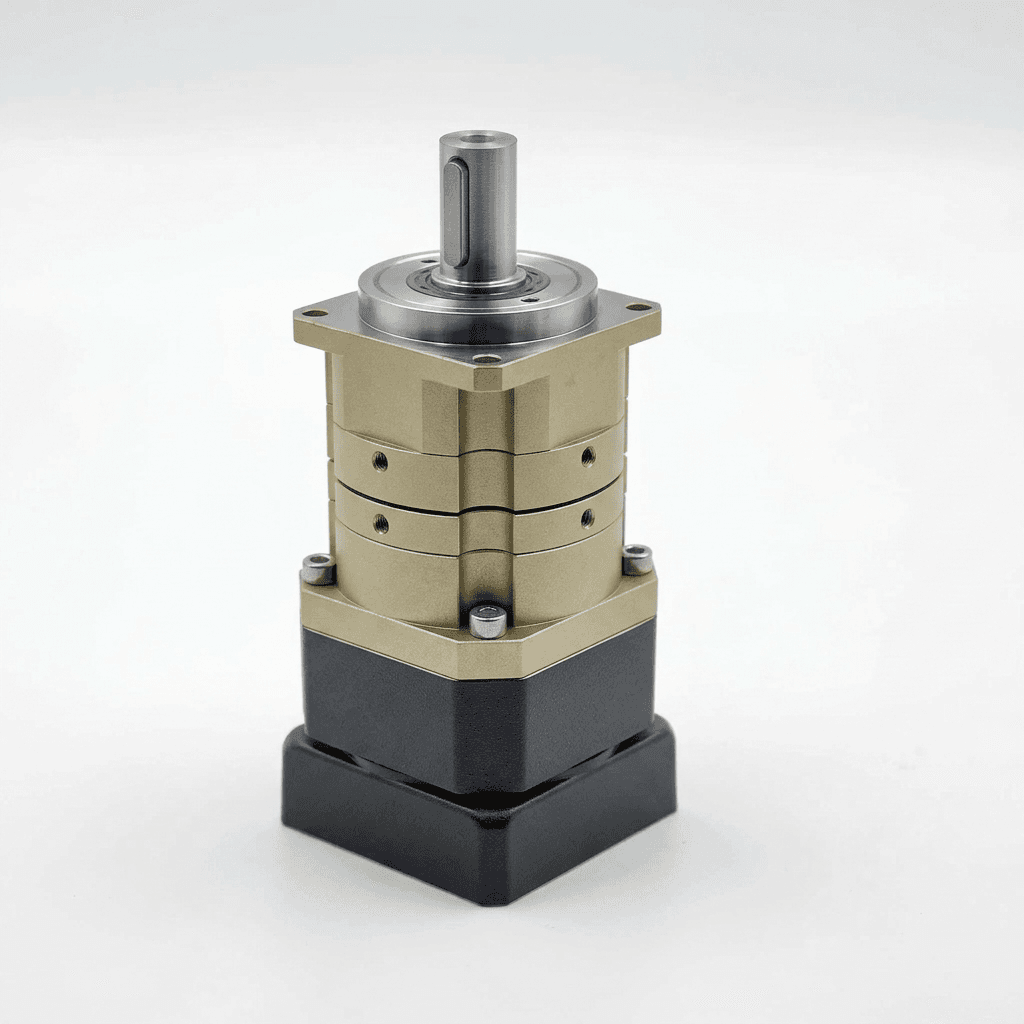
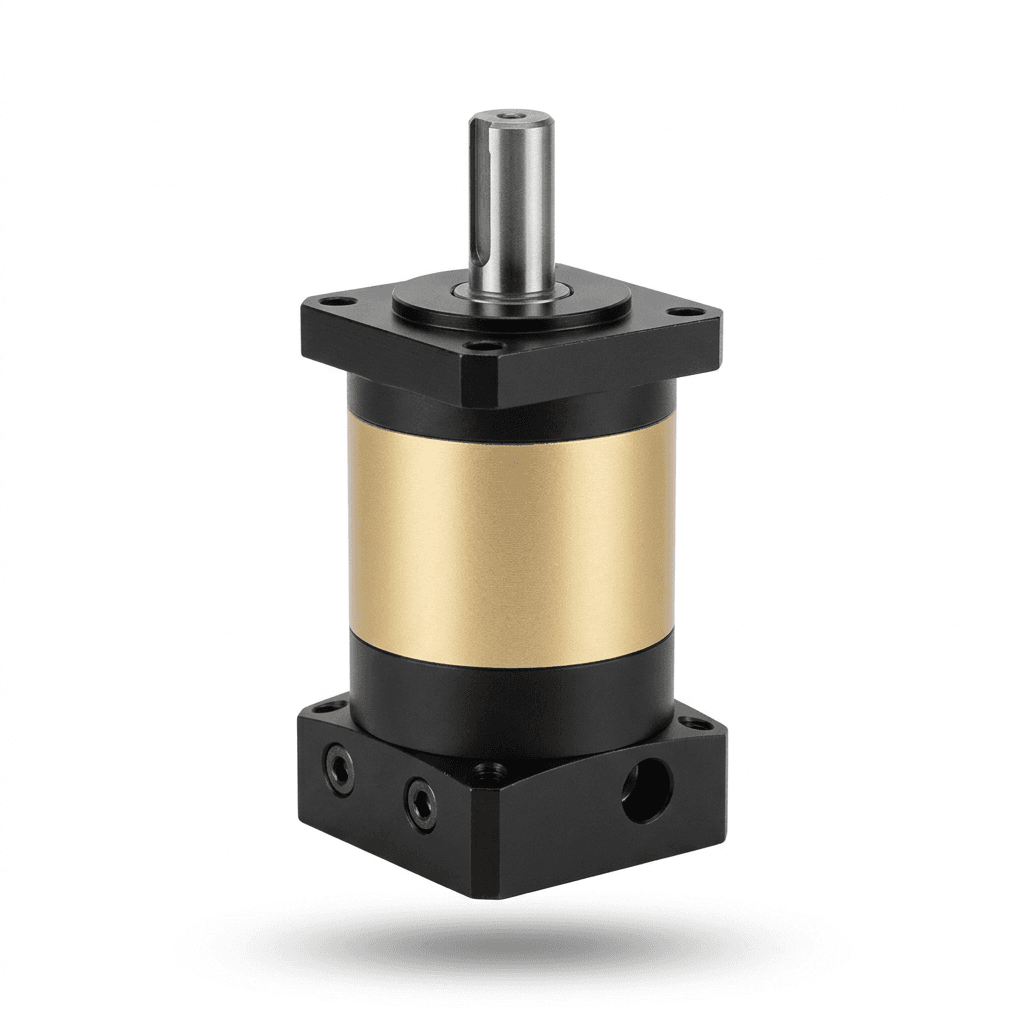
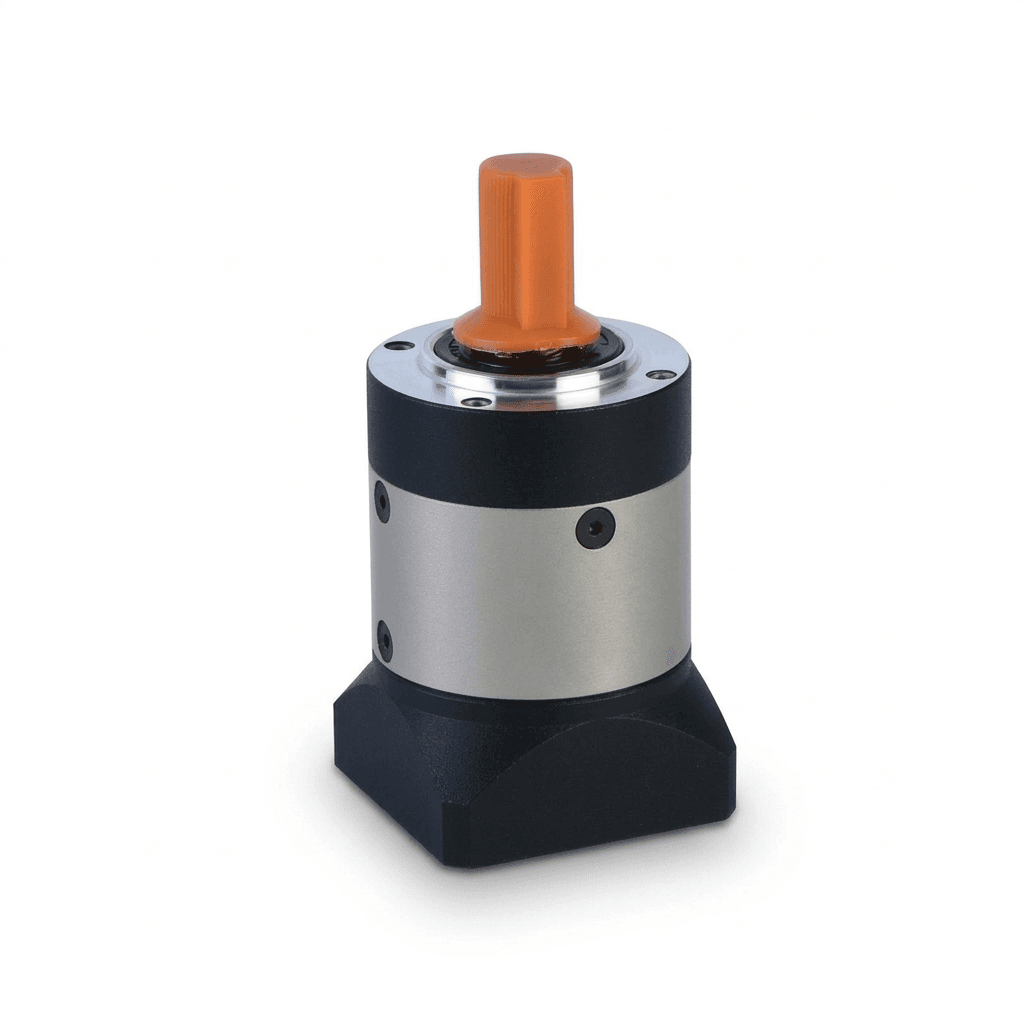
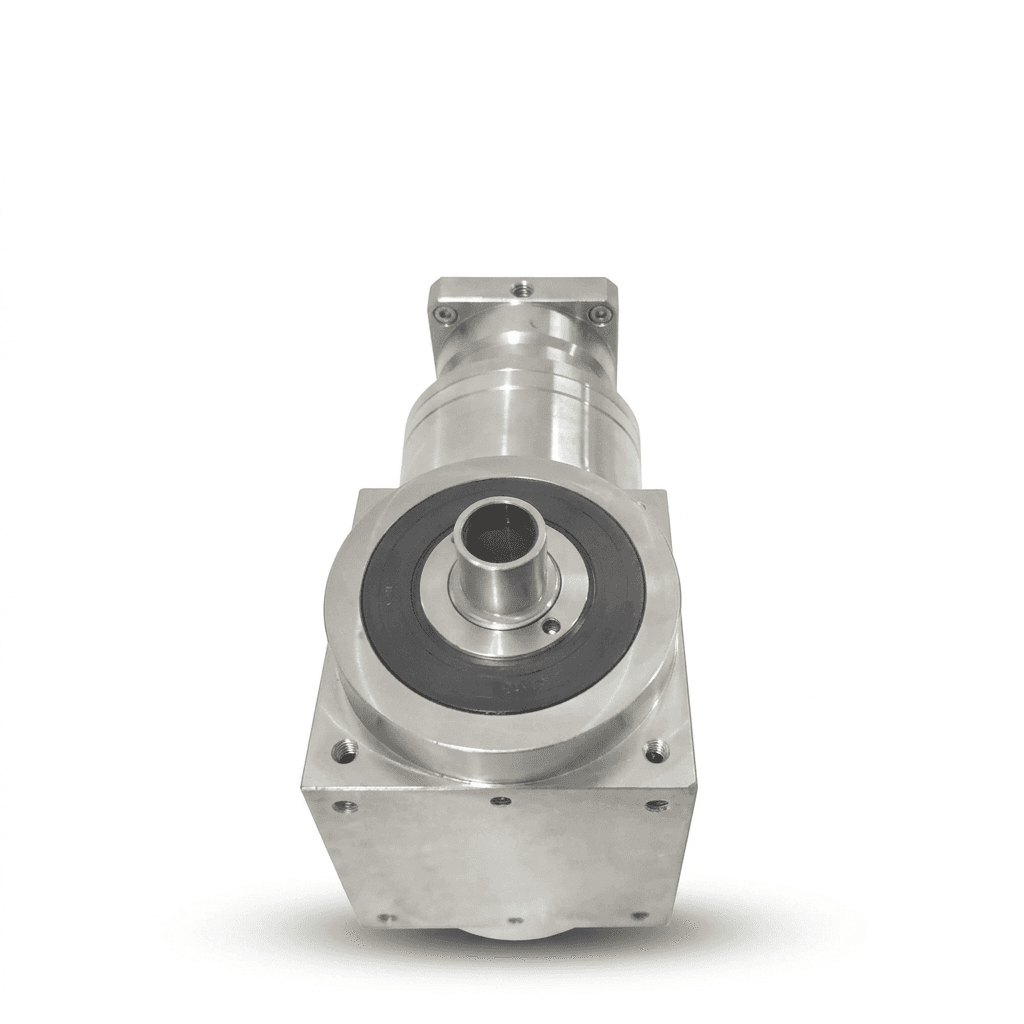
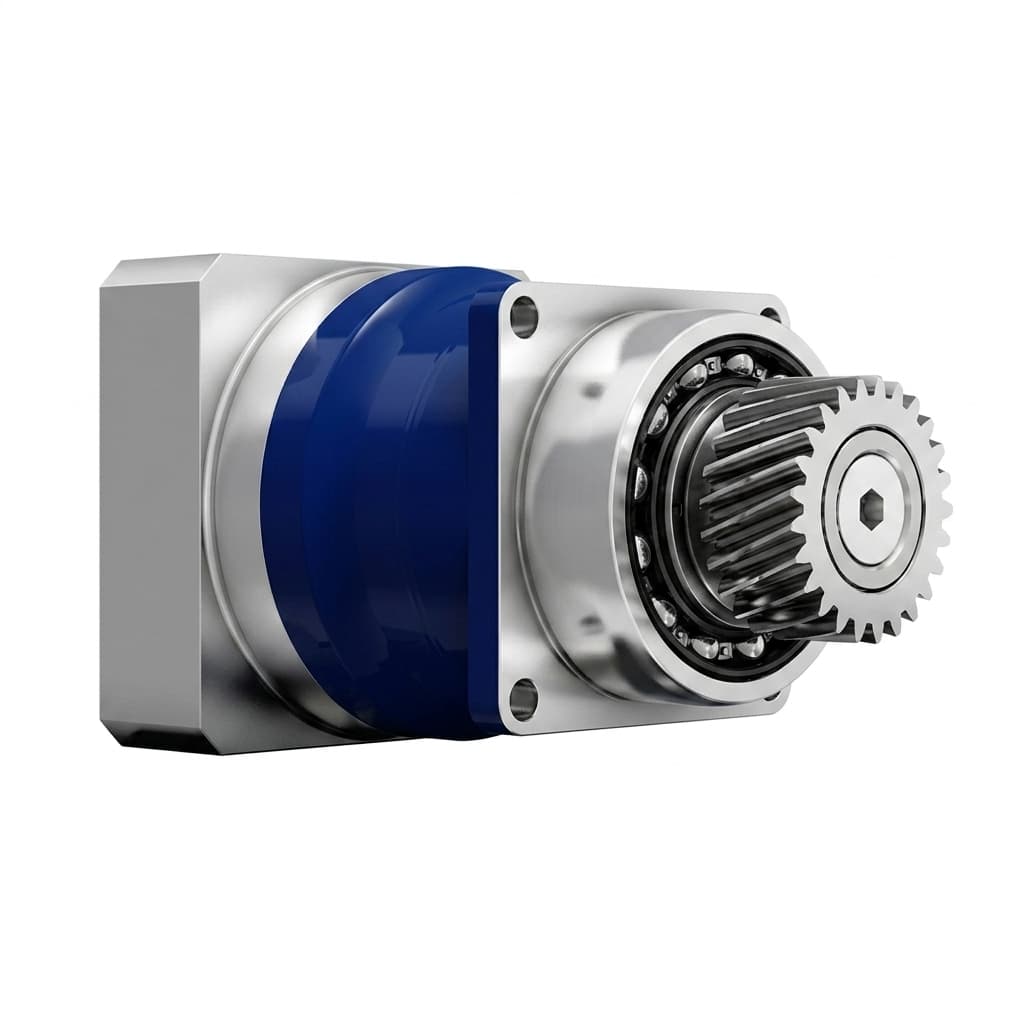
Yes. We support NEMA and metric interface matching and can review motor drawings before quotation.
Yes. Low-backlash classes are available with trade-off guidance on cost and lead time.
Use these buyer guides to validate ratio path, architecture fit, and supplier risk before RFQ lock.
Turn reflected inertia assumptions into a practical ratio boundary before quote comparison.
Compare architecture trade-offs by envelope, load path, and commissioning risk.
Evaluate supplier options on lifecycle execution risk, not only initial unit cost.
Inquiry Email
Start inquiry opens your default email app.