
RFQ Preparation Checklist
- Detailed load profile with nominal and peak events
- Required output speed range and acceleration targets
- Mechanical envelope and mounting constraints
- Quality record expectations and shipment plan
Compatibility and sizing guidance for NEMA 34 programs requiring higher torque capacity, robust interfaces, and controlled lifecycle risk.
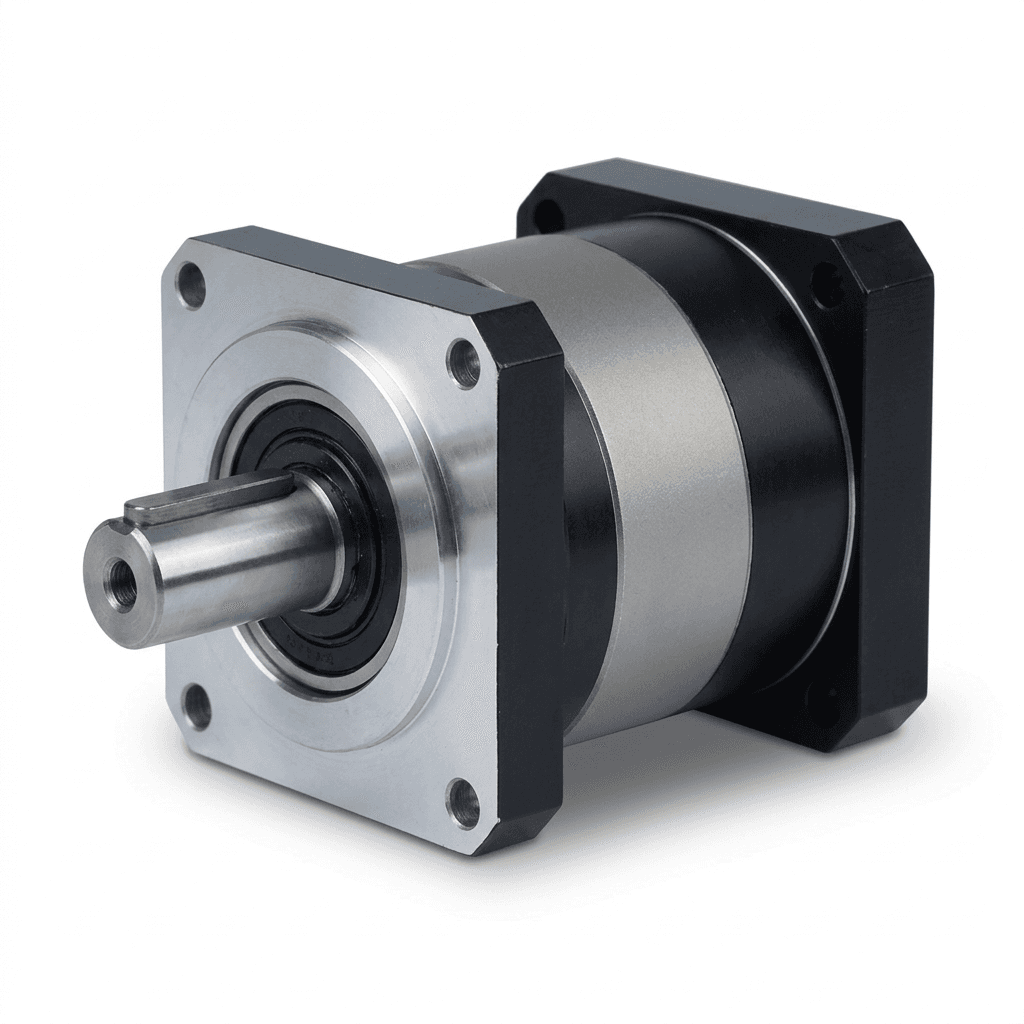
| Evaluation Metric | Typical Range | Procurement Value |
|---|---|---|
| Torque Reserve | Design margin set by dynamic duty | Adequate reserve protects reliability during acceleration bursts and disturbance loads. |
| Thermal Stability | Validated under project duty cycle | Temperature stability supports long-run repeatability and service life. |
Use this worksheet to close frame-fit and performance assumptions before sample release and commercial lock.
| Integration Gate | Why It Matters | Input to Send | Exit Condition |
|---|---|---|---|
| Torque Reserve | Adequate reserve protects reliability during acceleration bursts and disturbance loads. | Detailed load profile with nominal and peak events | Mitigation agreed: Validate mounting stiffness, bolt pattern preload, and shaft support assumptions before pilot run. |
| Thermal Stability | Temperature stability supports long-run repeatability and service life. | Required output speed range and acceleration targets | Mitigation agreed: Validate mounting stiffness, bolt pattern preload, and shaft support assumptions before pilot run. |
Minimum first-thread payload: motor drawing revision, duty profile, backlash target, interface constraints, and sample schedule.
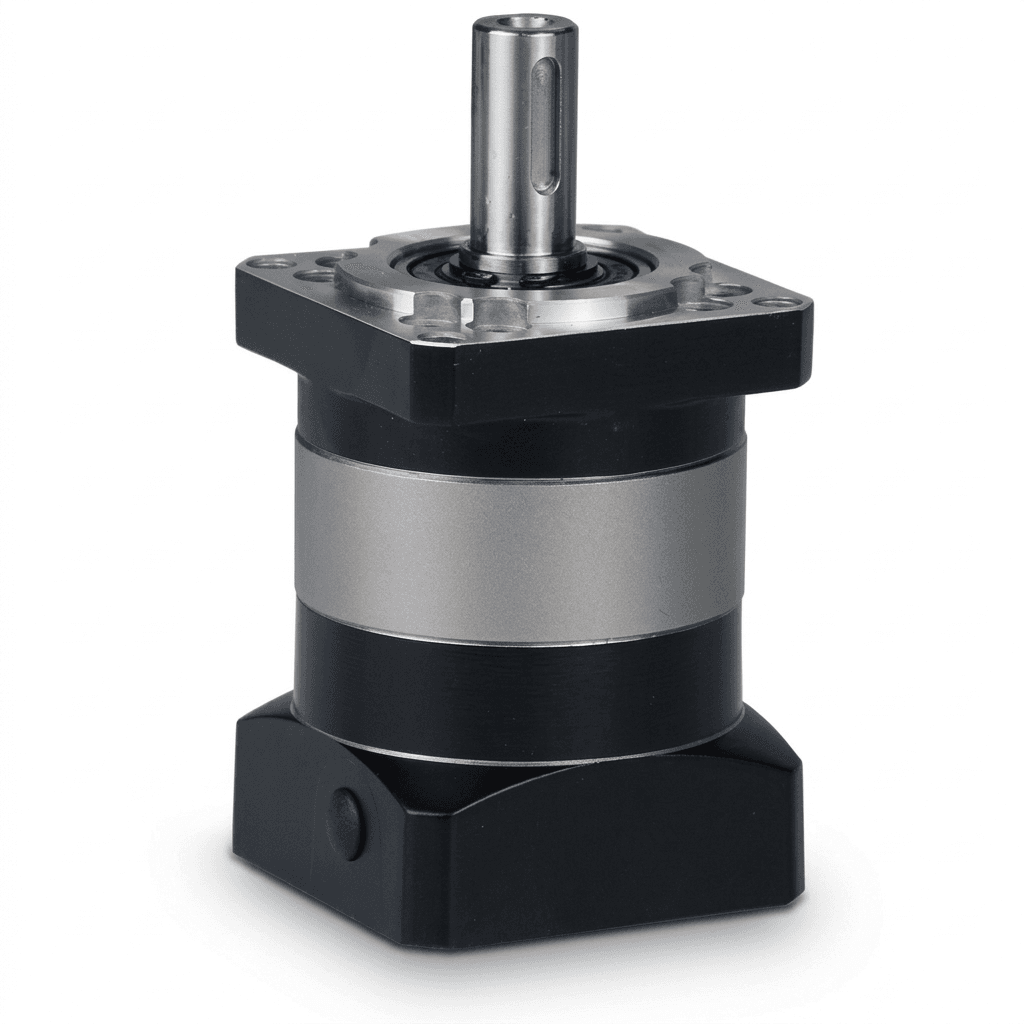
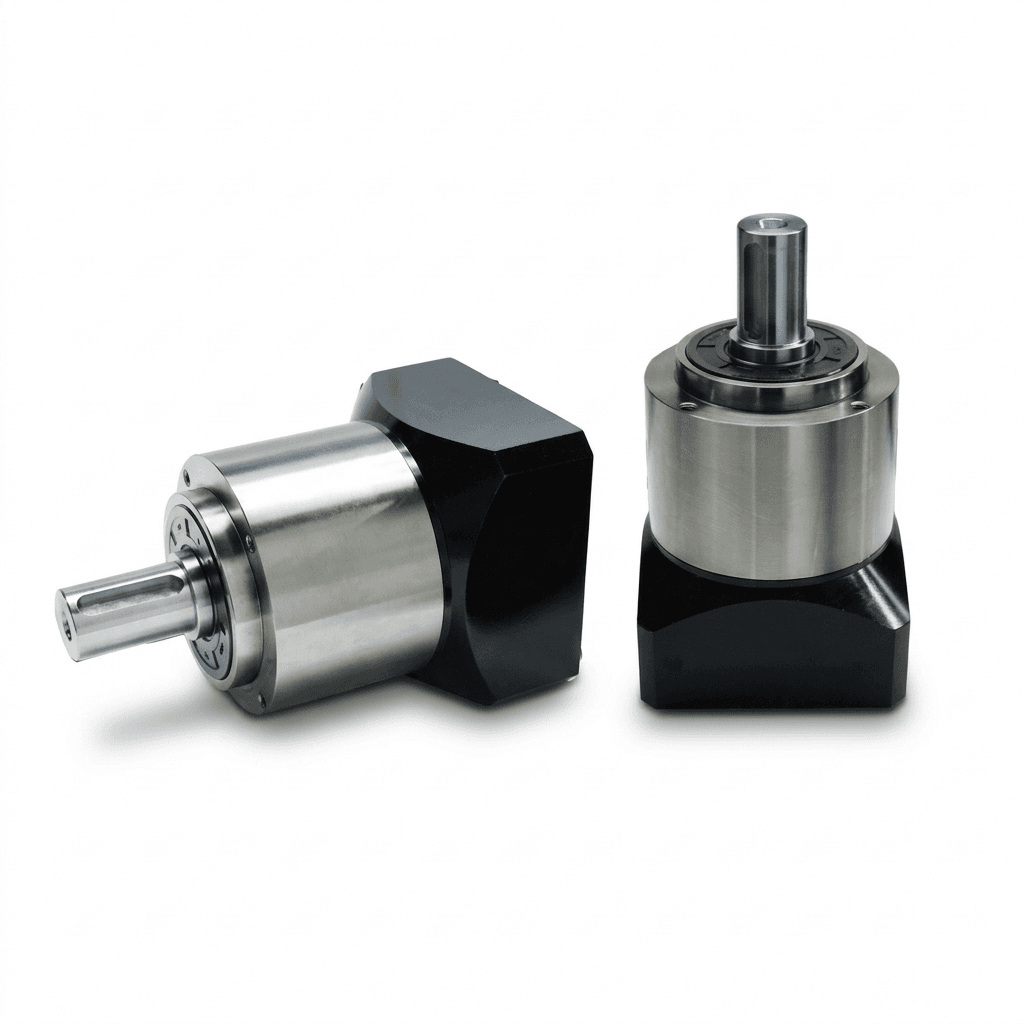
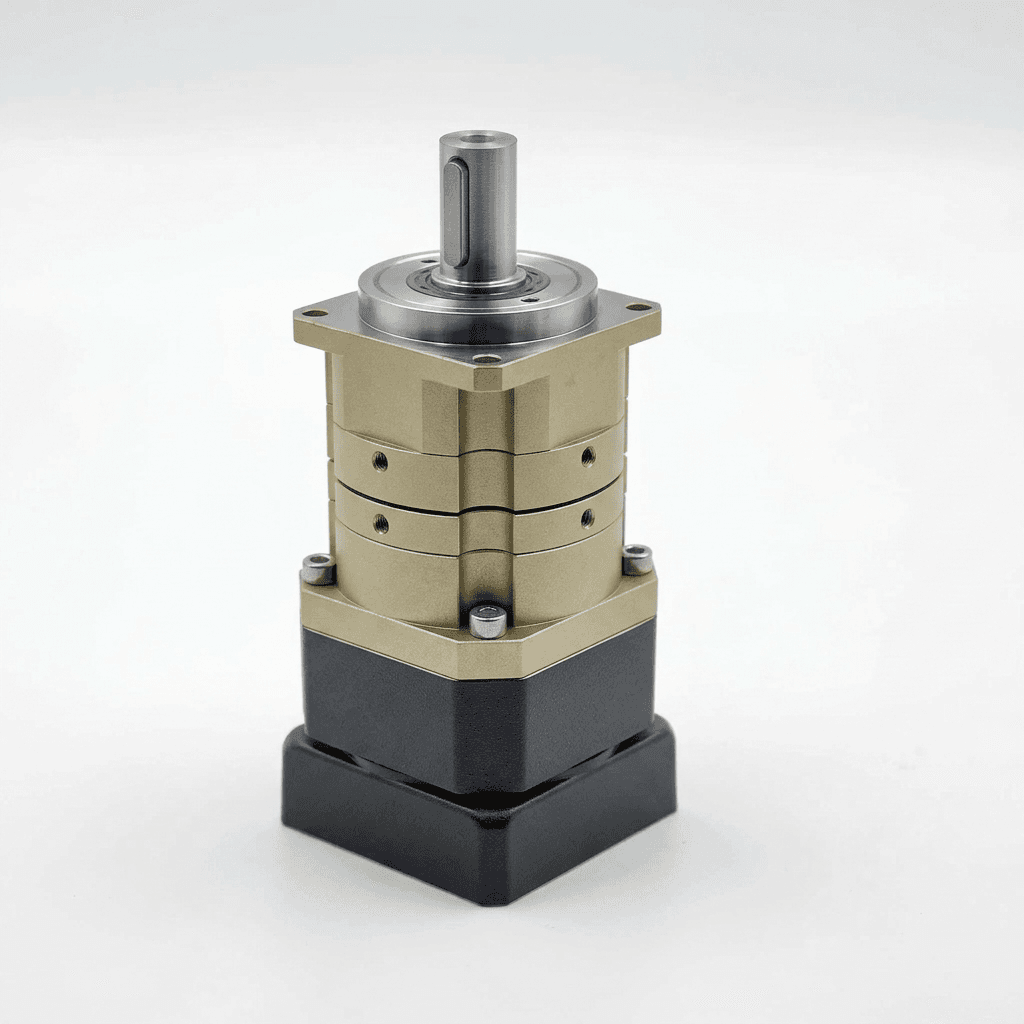
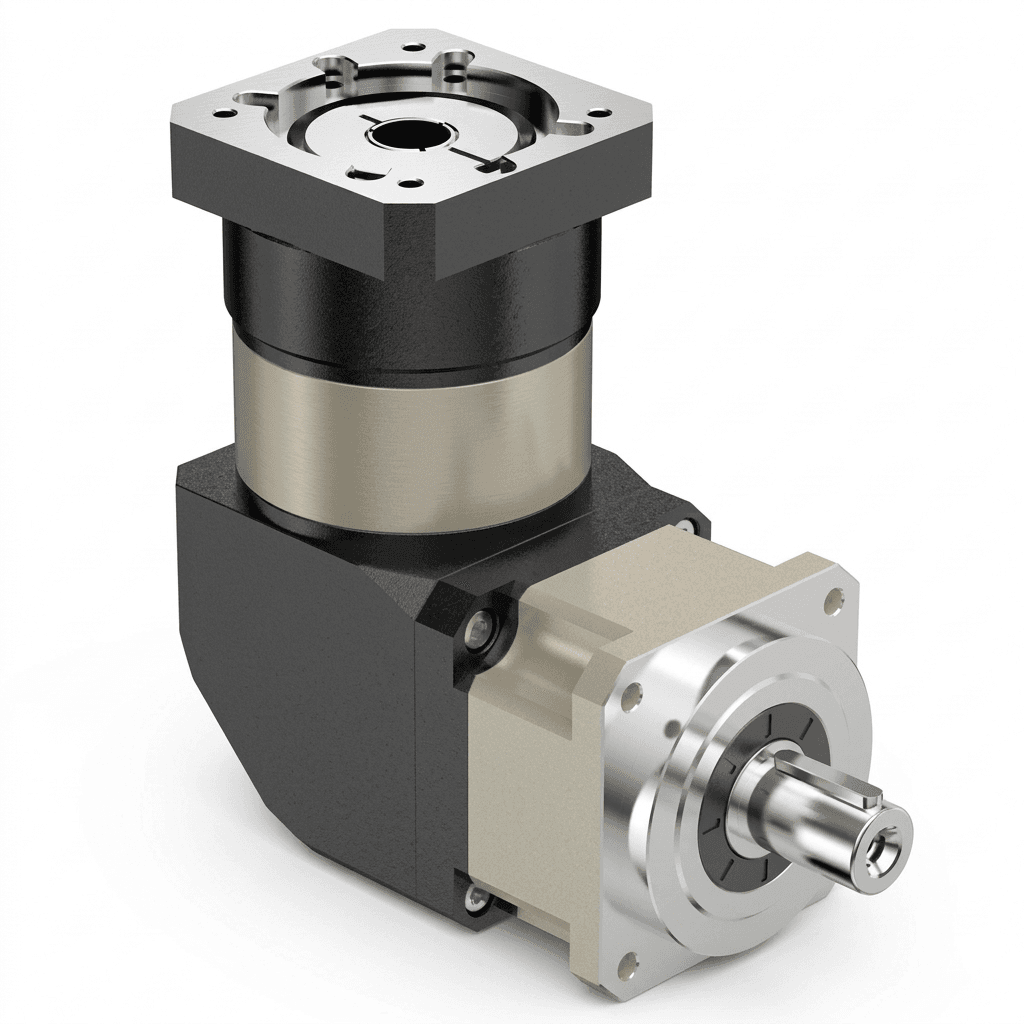
Yes. We can align ratio, interface, and validation criteria to high-load OEM programs.
Yes. We recommend defining measurable acceptance gates before sample release to shorten qualification cycles.
Pair compatibility checks with inertia and architecture guidance before freezing your NEMA path.
Use duty profile, torque reserve, and thermal headroom to choose a frame direction.
Estimate reflected inertia early to avoid unstable tuning windows during commissioning.
Resolve packaging and load-path choices before finalizing interface and mounting details.
Inquiry Email
Start inquiry opens your default email app.