
US efficiency floor for 10 HP class
>= 91.7% nominal
10 CFR 431.25 tables include 10/7.5 kW rows where multiple covered 4-pole classes list 91.7% nominal full-load efficiency.
Hybrid Tool + Report
Published: 2026-05-12 | Updated: 2026-05-13 | Quarterly evidence refresh cadence
This canonical page keeps one URL for both action and analysis: alias terms like "12v gear head motor" or "111 gear head motor" route here by design. Run the sourcing fit tool first (select AC or DC), then validate method, evidence quality, tradeoffs, and risk controls before supplier commitment.
Alias routing note: "111 gear head motor" and "12v gear head motor" are merged into this canonical URL to avoid duplicate intent pages and keep one tool + report decision workflow for both AC Industrial and DC 12V variants.
Use this quick check when you are evaluating a 10 hp three phase gear head motor for sale and need a first-pass ratio, torque margin, budget band, and lead-time risk in one run.
Enter your target speed and torque, then click Run 10 HP fit check to get ratio recommendation, confidence score, lead-time risk, and next RFQ action.
These conclusions translate the tool output into actionable decision constraints for procurement and engineering review. Time-sensitive data points are stamped as of 2026-05-13.
US efficiency floor for 10 HP class
>= 91.7% nominal
10 CFR 431.25 tables include 10/7.5 kW rows where multiple covered 4-pole classes list 91.7% nominal full-load efficiency.
12V DC planetary stage efficiency
80% - 90% per stage
For 12V micro gear motors, efficiency is stage-dependent (e.g., 2-stage ~72%, 3-stage ~60%). Minimize stages to prevent battery drain.
Usual service envelope
-15 C to 40 C, <= 1000 m
NEMA MG 1 Part 31.1.2 sets this as usual service for inverter-fed motors; outside this range needs additional validation.
Nameplate compliance checkpoint
Nominal efficiency + DOE CC number
10 CFR 431.31 requires both marks on covered motors and gives timing rules for CC number placement.
Planetary stage efficiency references
95% - 98% per stage (vendor data)
Neugart published ranges are useful screening anchors but do not replace model-specific test curves.
US industrial electricity benchmark
8.62 cents/kWh (2025 annual)
From EIA Table 5.3; used below to convert efficiency deltas into annual cost sensitivity.
Next regulatory cutover window
2027-06-01
10 CFR 431.25 switches to new tables (8-10) on this date, including expanded 1-750 hp scope and dedicated air-over treatment.
| Input Condition | Use Tool Output? | Boundary Interpretation |
|---|---|---|
| Target speed 80-220 rpm with output torque below 900 N.m | Yes | Usually lands in standard 8:1 to 25:1 range with manageable thermal and lead-time risk. |
| 12V DC system with continuous duty (S1) over 5 Amps | Conditional | High I²R losses in 12V setups cause severe thermal buildup. Brushless (BLDC) motors are strictly recommended over brushed for continuous 12V duty. |
| Target speed below 35 rpm | Conditional | High ratio stages can push efficiency and lead time; dual-ratio validation is recommended. |
| Starts per hour above 25 and 24/7 duty | Conditional | Service factor and motor thermal class should be reviewed before committing to frame size. |
| Ambient above 40 C or altitude above 1000 m | Conditional | NEMA MG 1 Part 31.1.3 treats these as unusual service conditions with thermal adjustment requirements. |
| Outdoor washdown or high-temperature environment | Conditional | Seal package, coating, and maintenance interval affect both reliability and delivery date. |
| Output torque demand above 1800 N.m | No (without redesign) | A 10 HP baseline may require a larger frame or staged transmission redesign. |
Alias and canonical queries are intentionally unified so buyers do not split across duplicated pages with inconsistent guidance.
| Query Phrase | Route Target | Routing Reason |
|---|---|---|
| gear head motor | /learn/gear-head-motor | Canonical intent page with tool-first workflow and full evidence layer. |
| 111 gear head motor | /learn/gear-head-motor | Alias merge to prevent near-duplicate pages and keep one decision path. |
| 12v gear head motor | /learn/gear-head-motor | Alias merge. Low voltage/DC context added to support mobile and light robotics intent. |
| 10 hp three phase gear head motor for sale | /learn/gear-head-motor#ten-hp-three-phase-gear-head-motor-for-sale | Commercial-intent alias resolved into the same canonical URL with context-specific anchor. |
This block converts standards and regulation language into explicit RFQ actions so procurement does not miss late-stage compliance blockers.
| Checkpoint | Reference | Decision Impact | RFQ Action |
|---|---|---|---|
| Efficiency floor confirmation | 10 CFR 431.25 | A covered 10 HP motor below the applicable nominal-efficiency floor is non-compliant for US market placement. | Request rated nominal full-load efficiency and exact motor class/pole count in the quote sheet. |
| Nameplate readiness | 10 CFR 431.31 | Missing nominal efficiency mark or DOE CC number can block acceptance even if performance is adequate. | Add nameplate photo + CC-number verification as a pre-shipment document gate. |
| Test-method traceability | 10 CFR 431 Appendix B | Efficiency claims without method context are hard to compare across suppliers. | Ask vendors to state which recognized test method family under Appendix B supports the efficiency claim. |
| Ambient and altitude boundary | NEMA MG 1 Part 31.1.2 and 31.1.3 | Above 40 C ambient or 1000 m altitude, thermal assumptions from baseline quotes may not hold. | Escalate to thermal-derating review and confirm duty point in supplier calculation sheet. |
| Representation method consistency | 10 CFR 429.64 + 10 CFR 431.31 | Nominal values used in marketing/nameplates must be derived under DOE representation rules, not ad-hoc brochure rounding. | Ask supplier to state test or AEDM basis and confirm represented nominal value source table in the quote package. |
This matrix prevents over-generalization. It maps where DOE covered motor logic is directly usable and where you should treat outputs as provisional pending classification confirmation.
| Condition | Coverage Status | Decision Action |
|---|---|---|
| 60 Hz polyphase, <= 600 V, single-speed induction, squirrel-cage, continuous duty, 2/4/6/8 poles, 1-500 hp (ship date before 2027-06-01) | Covered (current table set) | Use 10 CFR 431.25 tables 5-7 path and keep class/pole/frame details explicit in RFQ. |
| Same core criteria but 1-750 hp shipment on/after 2027-06-01 | Covered (new table set) | Re-check against 10 CFR 431.25 tables 8-10 and do not rely on pre-2027 screening only. |
| Air-over motors (standard frame 1-250 hp or specialized frame 1-20 hp) for post-2027 shipment | Covered with dedicated rows | Apply dedicated air-over tables and verify frame classification before PO. |
| Fire pump electric motors | Separate track | Do not apply non-fire-pump tables; validate against the fire-pump-specific requirements in 10 CFR 431.25. |
| Inverter-only, liquid-cooled, submersible, or component-set cases | Potentially exempt / boundary case | Mark as “needs classification confirmation” before relying on covered-motor assumptions. |
| 50 Hz-only or non-US compliance target | Outside this DOE scope | Treat this page as engineering pre-screen only and run target-market compliance mapping separately. |
This closes a common audit gap: buyers compare quoted nominal values, but skip the representation path that determines whether those numbers are comparable.
| Workflow Stage | Rule Anchor | Requirement | Procurement Action |
|---|---|---|---|
| Before distribution in commerce | 10 CFR 429.12(a), (e) | Certification must be filed before distribution, then maintained with annual updates. | Block release unless supplier confirms filing status for the exact basic model. |
| Certification submission channel | 10 CFR 429.12(h) | DOE filings are submitted electronically through CCMS with required templates. | Ask who controls CCMS submission and archive point-of-contact in the RFQ record. |
| Represented nominal efficiency value | 10 CFR 429.64(b), (e) | Represented nominal value must come from Appendix B and be no greater than tested/AEDM efficiency. | Request declared nominal value source path (test or AEDM) with supporting statement. |
| Sampling floor when not using certification program | 10 CFR 429.64(c), (e) | Default sample size is at least five units (or all units if production is below five). | Flag very-low-volume claims for additional scrutiny before final supplier scoring. |
| Nameplate + catalog alignment | 10 CFR 431.31(a), (b) | Nominal efficiency and CC number are required on nameplate and in marketing disclosures for covered motors. | Require nameplate photo and matching catalog page as pre-shipment acceptance evidence. |
Time boundary matters. If project execution crosses a regulatory cutover date, a quote that looked compliant at bid time may require a second check before shipment.
| Delivery Window | Change Point | Risk If Skipped | Minimum Action |
|---|---|---|---|
| PO and shipment both before 2027-06-01 | Current table regime (up to 500 hp for common covered classes). | Medium risk if supplier documentation still omits class/pole/frame clarity. | Keep current compliance gate and preserve test/label evidence package. |
| Project spans 2027-06-01 cutover date | Post-cutover rules introduce tables 8-10, including expanded scope and air-over detail. | High risk of late re-qualification or commercial delay if table mapping changes. | Add dual-date compliance check: bid phase and planned ship-date phase. |
| Unclear motor subtype (e.g., inverter-only or component set) | 431.25 exemptions and sub-categories can change whether a model is covered. | High risk of false confidence from generic “premium efficiency” marketing claims. | Mark status as “needs classification confirmation” and escalate before PO. |
Method transparency keeps the page auditable: you can trace how each output was calculated and where assumptions enter.
| Step | Expression | What It Delivers |
|---|---|---|
| 1. Motor-side torque baseline | T = 9550 x P(kW) / n(rpm) | 10 HP (7.46 kW) at 1760 rpm => ~40.5 N.m |
| 2. Service-factor adjusted design torque | T_design = T_required x SF | SF assembled from duty hours, starts/hour, and environment multipliers |
| 3. Candidate ratio sweep | R in [5, 7, 10, 12, 15, 20, 25, 30, 35, 40, 50, 60] | Each ratio scored by speed gap + torque reserve |
| 4. Lead-time and budget screening heuristic | Reference weeks + environment/class factors (internal model) | Returns low/medium/high timing risk and budget band for first-round supplier screening |
| 5. Compliance gate before PO | Nameplate + efficiency + test-method evidence | Verifies DOE/NEMA checkpoints and blocks procurement-ready decisions if evidence is missing. |
| Evidence Block | Source | Snapshot Date | How Used |
|---|---|---|---|
| Federal minimum efficiency requirements for covered motors | eCFR 10 CFR 431.25 (DOE energy conservation standards) | 2026-05-13 | Anchors minimum nominal full-load efficiency floors and 2027 transition scope/tables used in report conclusions and RFQ checks. |
| Nameplate and certification mark requirements | eCFR 10 CFR 431.31 (labeling requirements) | 2026-05-13 | Adds mandatory PO checklist items: nominal efficiency mark and DOE CC number on nameplate. |
| 12V DC planetary gearbox stage-efficiency limit | maxon group technical parameters | 2026-05-13 | Confirms 80%-90% efficiency limit per gear stage on small 12V DC motors, leading to ~60% for 3-stage assemblies. |
| Certification timing and submission workflow | eCFR 10 CFR 429.12 (certification reports) | 2026-05-13 | Used to define the pre-distribution certification gate, annual filing expectation, and CCMS submission workflow. |
| Represented nominal-efficiency determination rules | eCFR 10 CFR 429.64 (electric motors) | 2026-05-13 | Used to enforce comparability rules: represented nominal values must map to Appendix B values no greater than test/AEDM results. |
| Recognized efficiency test methods | Appendix B to Subpart B of 10 CFR Part 431 | 2026-05-13 | Defines referenced IEEE/IEC/CSA methods used for efficiency representations under DOE scope. |
| Usual versus unusual operating conditions for inverter-fed motors | ANSI/NEMA MG 1-2016 Part 31 | 2026-05-13 | Used to define ambient, altitude, and service-factor boundaries in applicability and risk sections. |
| US industrial electricity benchmark and monthly volatility context | EIA Electric Power Monthly Table 5.3 | 2026-05-13 | Provides annual 2025 final values plus Jan-Feb 2026 preliminary values used to stress-test energy-cost sensitivity. |
| DOE enforcement process for non-compliance checks | eCFR 10 CFR Part 431 Subpart U | 2026-05-13 | Used to map escalation risk: test notice process, sample-size envelope, and post-determination distribution consequences. |
| Planetary gearbox stage-efficiency reference range (Industrial) | Neugart gearbox technical pages | 2026-05-13 | Used as comparative context only; detailed torque-speed-loss curves remain vendor/model specific. |
| Case | Input Power | Annual Energy | Annual Energy Cost | Interpretation |
|---|---|---|---|---|
| Baseline at 91.7% nominal efficiency | 8.14 kW | 32,541 kWh (4,000 h/yr) | $2,805/yr | Uses 7.46 kW shaft output and 2025 US industrial average price (8.62 cents/kWh). |
| Reference at 95.0% efficiency | 7.85 kW | 31,411 kWh (4,000 h/yr) | $2,707/yr | Same shaft output and duty assumption; only efficiency changes. |
| Annual delta (91.7% -> 95.0%) | 0.28 kW less input | 1,130 kWh saved (4,000 h/yr) | ~$97/yr saved | At 8,000 h/yr, the same delta scales to ~2,261 kWh and ~$195/yr. |
| Period | Industrial Price | Data Status | Implied Annual Cost | Interpretation |
|---|---|---|---|---|
| 2025 annual total | 8.62 cents/kWh | Final | ~$2,805/yr | Used as baseline in this page for 4,000 h/yr and 91.7% nominal efficiency. |
| 2026 January | 9.29 cents/kWh | Preliminary | ~$3,023/yr | Illustrates a higher-cost month that can add roughly $218/yr versus the 2025 annual baseline. |
| 2026 February | 8.95 cents/kWh | Preliminary | ~$2,912/yr | Shows near-term easing from January while remaining above the 2025 annual benchmark. |
| 2026 Year-to-date (Jan-Feb) | 9.13 cents/kWh | Preliminary | ~$2,971/yr | Supports running sensitivity using a small price band, not a single point. |
Items below are explicitly marked as unresolved where no reliable public benchmark exists.
| Question | Status | Current Reading | Minimum Next Step |
|---|---|---|---|
| Public transaction-level price index for 10 HP three-phase gearhead assemblies | No reliable open benchmark | Published pages are mostly list-price snapshots or quote-only pages with inconsistent configuration scope. | Treat tool budget output as screening heuristic and require model-level quotation before commitment. |
| Public lead-time dataset segmented by ratio, sealing package, and backlash class | No reliable open benchmark | Vendors publish broad lead-time statements, but not a normalized open dataset across equivalent configurations. | Run dual-ratio RFQ and collect promised lead times under the same spec sheet for direct comparison. |
| Cross-brand loss map across planetary stages at identical duty points | Partial public data only | Manufacturers publish efficiency ranges, but full-loss curves are usually model-specific and not openly harmonized. | Request efficiency/load curves at your duty point instead of relying on generic stage ranges. |
| Option Path | Ratio Band | Precision Band | Typical Lead Time | Tradeoff |
|---|---|---|---|---|
| Standard helical geared motor package | 5:1 to 30:1 | Medium | 4-8 weeks | Faster supply path, but backlash and compactness may not match tight automation requirements. |
| Planetary gearhead + 10 HP motor assembly | 5:1 to 60:1 | Medium to high | 6-10 weeks | Better torque density and layout flexibility; procurement requires deeper interface and compliance verification. |
| Custom low-backlash premium assembly | 8:1 to 100:1 | High | 8-14 weeks | Best control performance but higher budget and lead-time pressure for custom shafts/seals. |
| Risk | Impact | Mitigation |
|---|---|---|
| Selecting ratio only from speed target | Output torque reserve collapses under duty peaks | Use design torque with service factor before ratio freeze. |
| Ignoring starts-per-hour and thermal loading | Unexpected overheating and nuisance trips | Raise thermal class margin and include start-count in technical RFQ pack. |
| Assuming indoor sealing for harsh environment | Premature seal wear and lubricant contamination | Specify IP/seal package and maintenance interval in purchase conditions. |
| 12V DC wiring voltage drop | Motor runs off its efficiency curve, drawing higher current for same mechanical load and overheating. | Size AWG appropriately for continuous load and keep cable runs short between battery/driver and motor. |
| Specifying brushed 12V motor for continuous S1 duty | Brushes wear out prematurely (often < 2000 hours), causing sudden failure. | Default to brushless (BLDC) for any 12V continuous duty requirement above 5 Amps. |
| Skipping DOE/NEMA compliance checks at RFQ stage | Nameplate mismatch, delayed acceptance, or re-qualification loop | Require nominal efficiency mark, DOE CC number, and test-method declaration in supplier documentation. |
| Lead-time target shorter than configuration baseline | Program slip or forced downgrade of configuration | Prepare a standard-ratio fallback path in parallel. |
| Project shipment window crosses 2027-06-01 without re-checking class scope | A quote can pass legacy assumptions but fail at delivery because applicable DOE table/scope changed. | Add a date-based compliance gate tied to expected ship date and re-validate class against 10 CFR 431.25 tables 8-10 where applicable. |
| Comparing vendor efficiency values without representation-method context | Non-equivalent nominal claims can distort supplier ranking and trigger acceptance disputes. | Request whether nominal values follow 10 CFR 429.64 (test or AEDM path) and capture the declared method in RFQ records. |
160 rpm target, 420 N.m required torque, 12 h/day, 8 starts/hour
Usually converges to 10:1 to 12:1 range with medium schedule risk and straightforward sourcing.
28 rpm target, 1500 N.m required torque, 20 h/day, 12 starts/hour
Often enters boundary-risk band; larger frame or staged redesign is frequently needed.
95 rpm target, 650 N.m required torque, 16 h/day, 24 starts/hour
Feasible but seal package and thermal margin dominate lead time and total-cost decisions.
Use these references when discussing package envelope, shaft orientation, and installation constraints with suppliers.
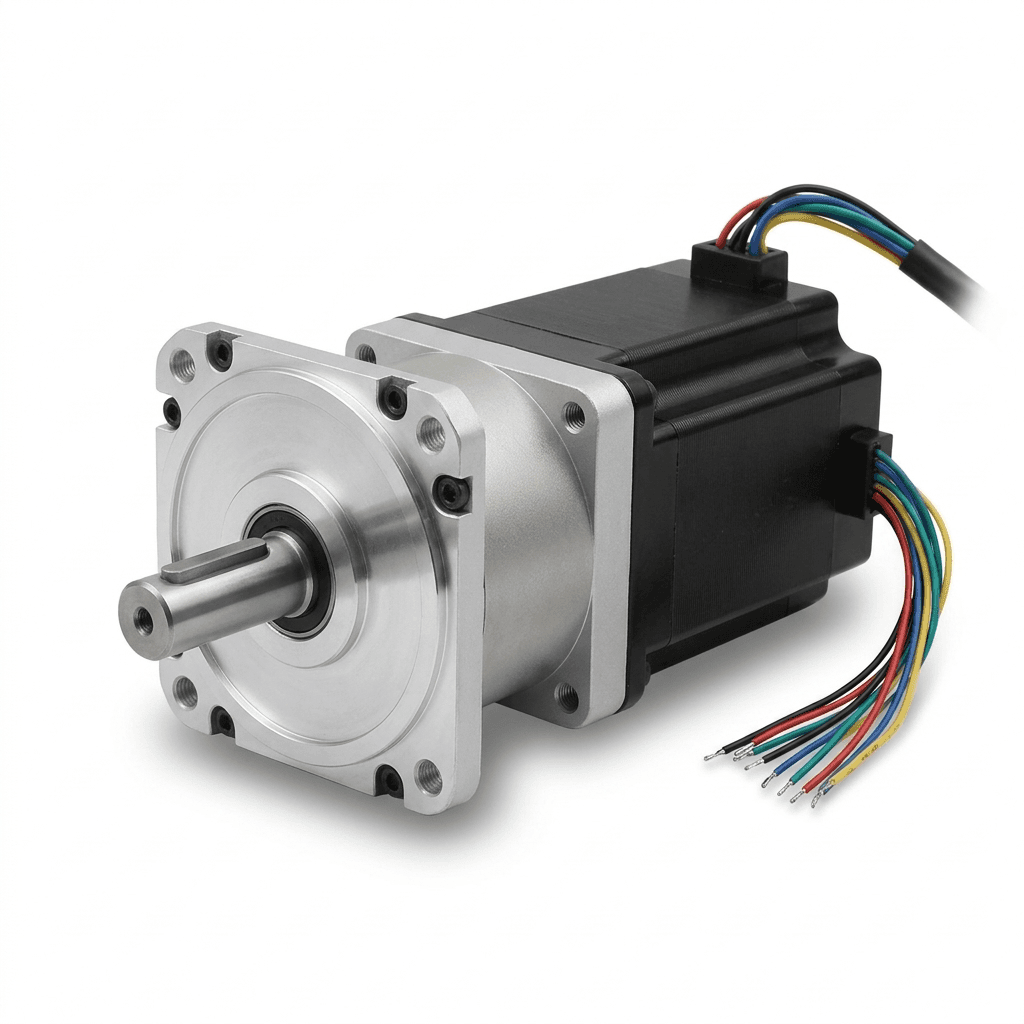
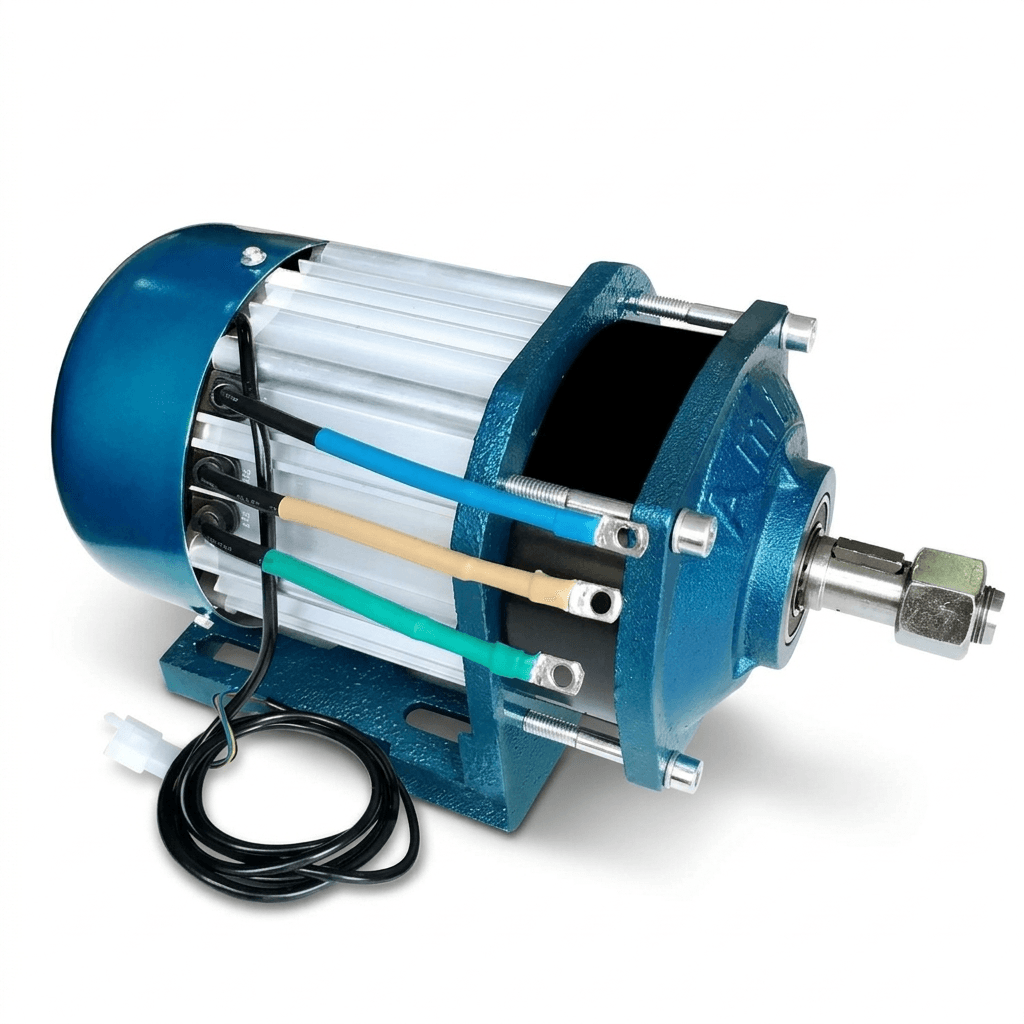
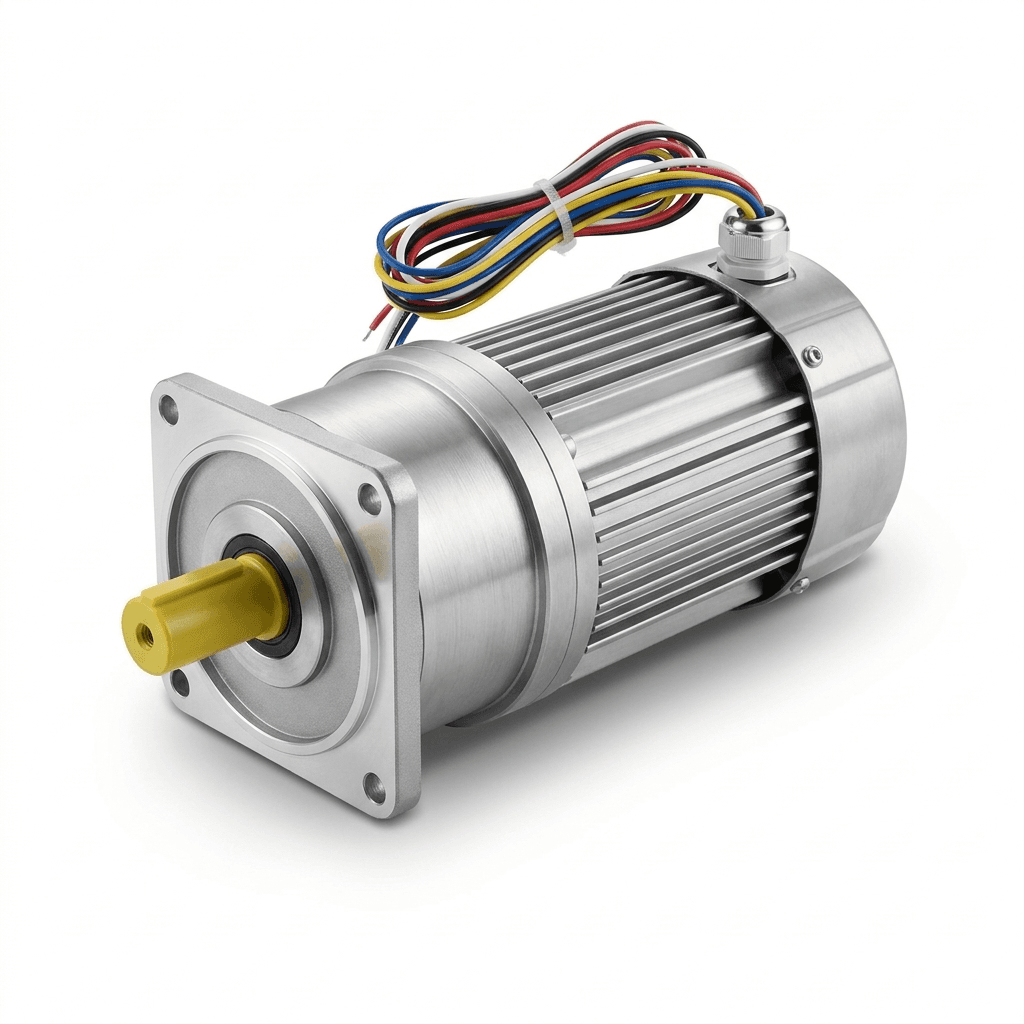
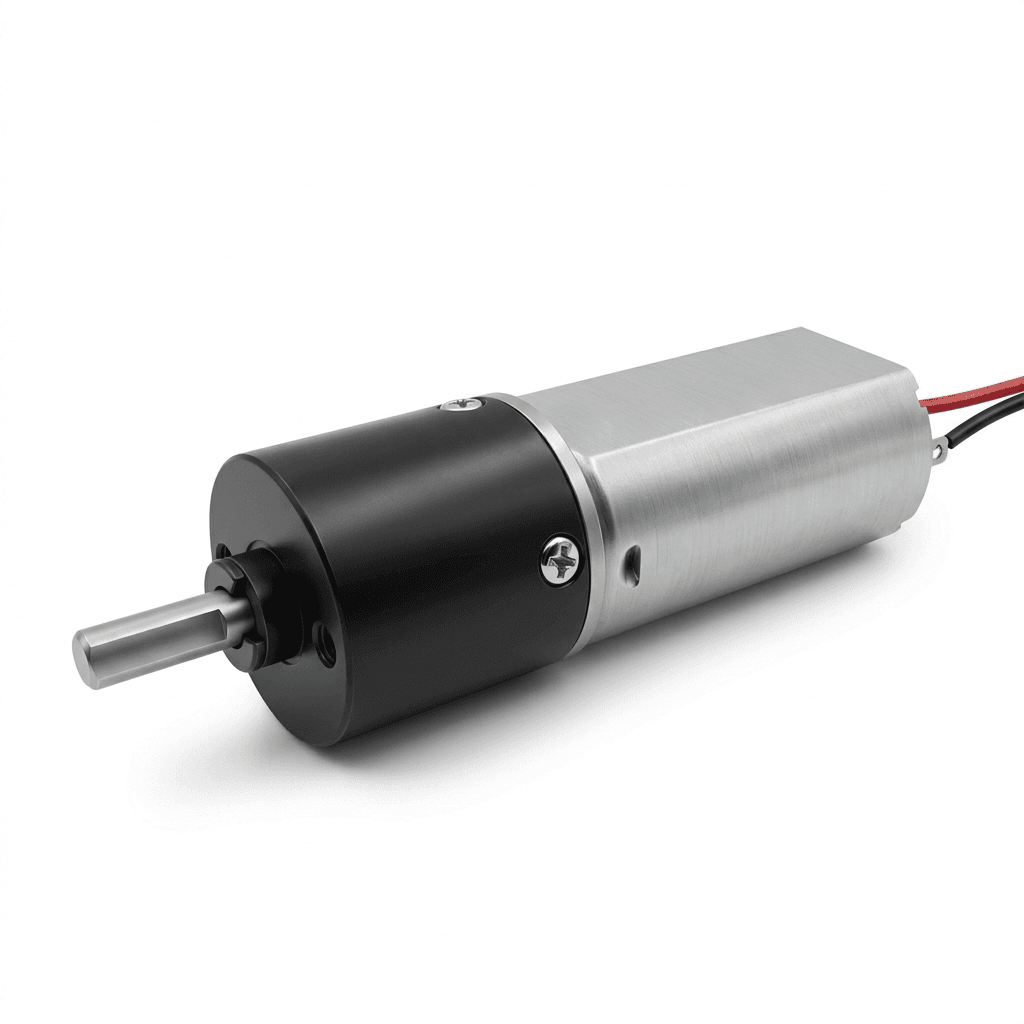
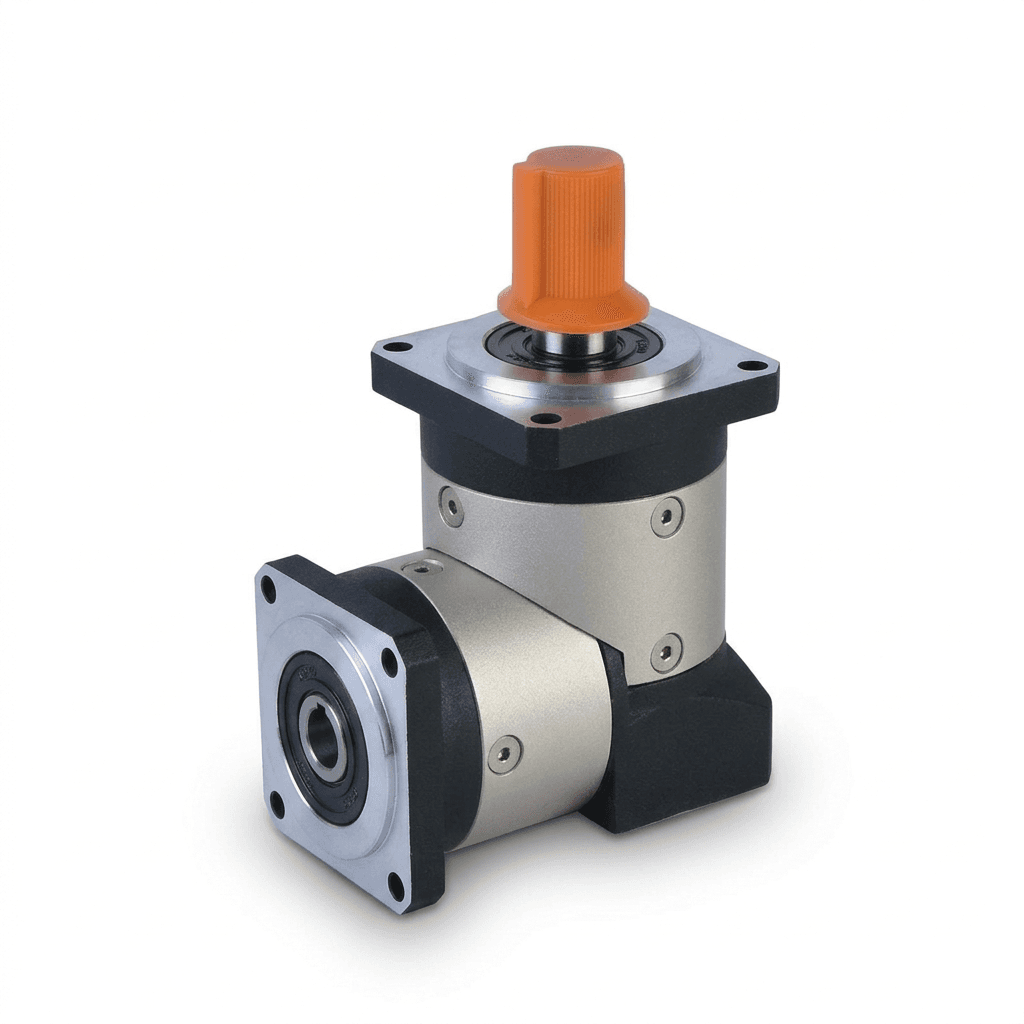
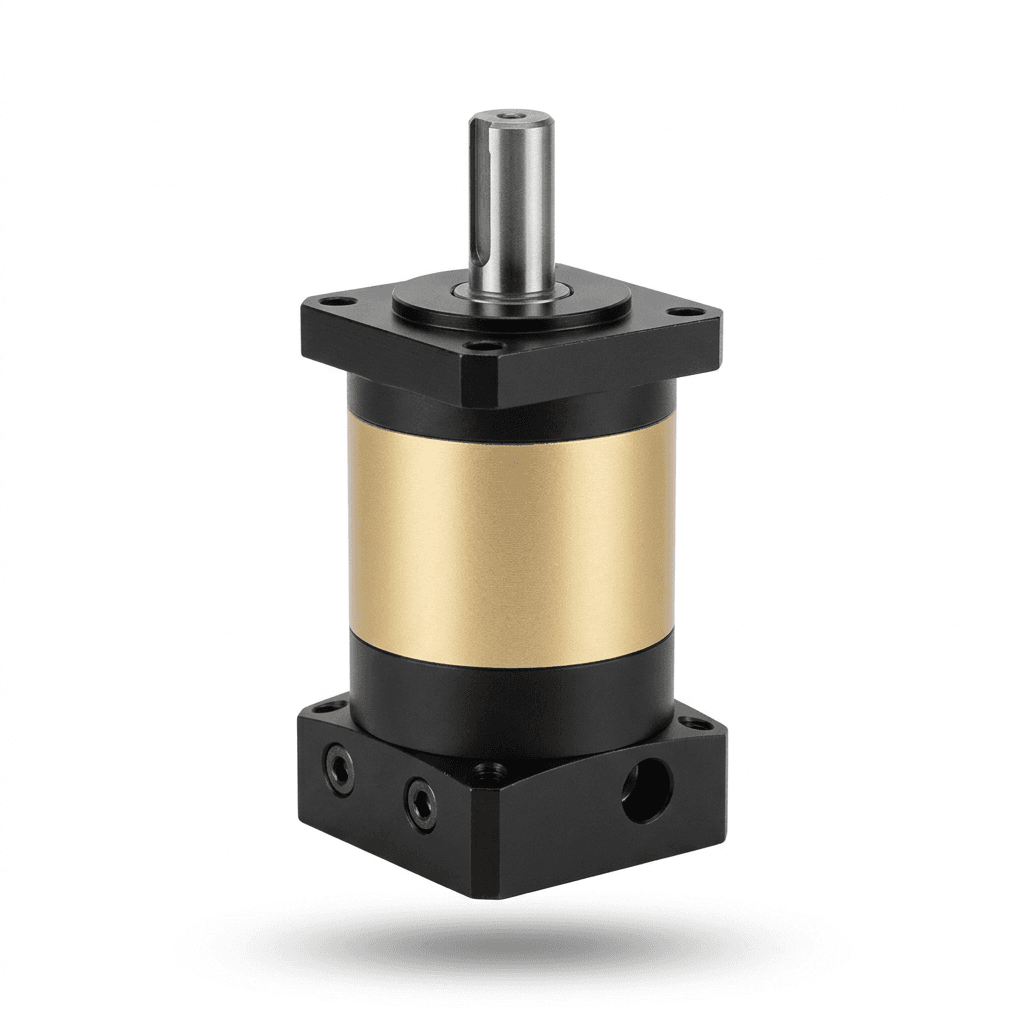
Grouped by selection logic, commercial choices, and risk controls for faster internal alignment.
If your team came from "111 gear head motor", "12v gear head motor" or "10 hp three phase gear head motor for sale", keep this page as the single decision source, run the tool, attach its output to your RFQ, then request drawing-level verification before PO.