
Typical factory evidence pack
4 files
Torque-speed curve, current curve, 2D/3D drawing, inspection gate.
Factory Fit Checker
Enter your operating target and sourcing constraints. The checker returns a factory-fit score, likely frame/ratio path, RFQ warnings, and the next action before you contact a 12V DC gearhead motor factory.
Run the checker to get a factory-fit score and RFQ path. The defaults are valid, so one click produces a complete example.
Send the screening result with your drawing or performance target. A factory answer should confirm torque-speed curves, current, thermal rise, sample timing, and inspection scope.
Boundary note: the checker uses public 12V gearmotor data and PrecisionGearhead screening heuristics. Budget band, lead time, and score are RFQ-preparation outputs, not supplier commitments.
Inquiry Email
Start inquiry opens your default email app.
Report Summary
This page keeps the tool and report on one canonical URL. Use the checker to prepare action, then use the evidence layer below to decide whether a direct factory RFQ is appropriate.
Typical factory evidence pack
4 files
Torque-speed curve, current curve, 2D/3D drawing, inspection gate.
High-risk RFQ signals
6
No curve, no drawing revision, unclear MOQ, vague lead time, no thermal data, no inspection scope.
Screening ratio band
6.3:1-200:1
Used by the tool as a practical first-pass 12V gearmotor ratio sweep.
Report stance
Evidence-limited
Public data is used only as screening context, then RFQ evidence must confirm.
RFQ pack first
A factory searcher usually needs MOQ, drawing control, validation evidence, and repeat-order stability, not just a product thumbnail.
6.3:1-150:1, 5.5 A stall
Pololu public 37D rows are useful for ratio/current screening, but final selection still needs model-specific factory curves.
<= 25% of stall current
Public 37D guidance uses this as a protection boundary; demanding duty cycles need thermal-rise evidence before PO.
2 ratio options + 4 evidence files
Ask for torque-speed curve, current curve, dimensional drawing, and inspection plan before comparing unit prices.
500+ units or custom interface need
Below this range, a distributor or catalog route can be faster unless shaft/lead/seal customization is mandatory.
The checker uses deterministic screening logic. It narrows the problem to ratio, torque reserve, current margin, lead time, and evidence requirements. It deliberately stops before final model selection because that decision requires supplier-controlled data.
| Step | Inputs | Decision Output |
|---|---|---|
| 1. Define operating point | Output rpm, continuous torque, current limit, environment | Separates genuine 12V gearmotor fit from cases that need larger frame, 24V migration, or mechanical redesign. |
| 2. Sweep standard ratios | 6.3:1, 10:1, 19:1, 30:1, 50:1, 70:1, 100:1, 150:1, 200:1 | Ranks speed gap and torque reserve before supplier-specific ratio claims are accepted. |
| 3. Add factory constraints | Annual quantity, target unit price, target lead time, customization | Prevents a technically possible motor from being misread as a production-ready factory path. |
| 4. Require proof before PO | Curves, drawing revision, sample plan, inspection scope | Converts a sourcing search into a controlled RFQ gate with visible acceptance criteria. |
Public evidence is useful for screening, but factory acceptance requires project-specific data. This evidence pass was updated on . Unknowns are kept visible instead of converted into false precision.
| Source | How It Is Used | Limit |
|---|---|---|
| Pololu 37D Metal Gearmotors public specification pages | As of the June 6, 2026 review, the 37D family publishes 12V ratios from 6.3:1 to 150:1, a 5.5 A 12V motor stall-current row, 12V and 24V variants with similar nominal-voltage performance, and a brushed DC operating caution to stay at 25% or less of stall current for general continuous use. | Vendor catalog evidence, not a PrecisionGearhead quote and not a universal factory benchmark. Model-specific curves, load limits, and thermal tests still control final approval. |
| Oriental Motor hypoid vs worm technical reference | Used to explain why right-angle architecture can change heat, efficiency, footprint, and long-term maintenance risk instead of being a neutral packaging choice. | Architecture education only. Exact loss, backlash, grease life, and noise remain supplier- and model-specific. |
| IEC 60529:1989+A1:1999+A2:2013 consolidated IP Code | Used to separate casual environment words such as dusty, washdown, and outdoor from tested enclosure protection claims. | IP code classifies enclosure protection. It does not by itself prove lubricant life, corrosion resistance, cable-exit sealing, or motor thermal rise. |
| NEMA enclosure guidance and ANSI/NEMA 250 scope material | Used as a North American cross-check that enclosure type claims are tied to specific environmental conditions and proper installation. | Applies to enclosures and installation context. It is not a substitute for gearmotor sample validation in the buyer application. |
| AIAG PPAP-4 Production Part Approval Process | Used to frame PPAP-lite as a production approval discipline: design record, specification, process evidence, and production-rate consistency. | Automotive-origin standard. For non-automotive gearmotor programs, use a scoped PPAP-lite pack only where the risk justifies the cost. |
| ISO 9001:2015 quality management system reference | Used to distinguish factory QMS capability from product approval. ISO 9001 can support process discipline, but it does not approve a specific 12V gearmotor model. | Certification is not mandatory and does not replace drawing control, inspection results, sample testing, or application-specific acceptance criteria. |
| PrecisionGearhead RFQ experience model | Lead-time, budget-band, documentation-depth, and factory-readiness gates used in the checker. | Heuristic screen for inquiry preparation. There is no reliable public dataset for factory MOQ, custom lead time, or unit price by application; final commercial terms require supplier confirmation. |
The baseline page already explained factory RFQ logic. The content gap was that several conclusions were experience-based without a clear source boundary. The table below converts the research into decision rules that can be checked during supplier review.
| Core Claim | Source-Backed Evidence | Buyer Action |
|---|---|---|
| 37 mm class 12V screening is a plausible public benchmark. | Pololu publishes 37D 12V gearmotor ratios from 6.3:1 to 150:1, a 10,000 rpm no-gearbox motor row, and 5.5 A stall-current reference for the 12V motor. | Use it only to set first-pass ratio and current boundaries; require the chosen factory to provide its own curve set. |
| 24V can reduce current pressure for similar power. | Pololu states that its 12V and 24V 37D motors offer approximately the same performance at nominal voltage, with the 24V motor drawing half the 12V current. | If 12V current, wire heating, or battery sag is the limiting issue, evaluate a 24V redesign rather than forcing a hotter 12V selection. |
| Outdoor, dusty, and washdown are not complete specifications. | IEC 60529 classifies enclosure degrees of protection by IP code; NEMA guidance ties enclosure type to specific environmental conditions and proper installation. | Write the exact IP/NEMA target, cable-exit orientation, corrosion exposure, lubricant expectation, and cleaning method into the RFQ. |
| PPAP-lite should be risk-based, not automatic. | AIAG describes PPAP as the production part approval process for confirming that engineering design record and specification requirements are consistently met. | Use PPAP-lite for repeat production, safety-relevant motion, or high lot risk; avoid imposing it on prototype-only sample buys. |
| ISO 9001 is useful but insufficient by itself. | ISO describes ISO 9001 as QMS requirements for meeting customer and applicable regulatory requirements and improving customer satisfaction. | Treat a certificate as a supplier-screening input, then ask for model-specific drawings, inspection data, curve data, and change-control terms. |
Use these gates after the checker returns a plausible frame and ratio. They turn the page from a sourcing idea into a controlled supplier qualification path.
Pass signal: Supplier provides torque-speed and current-vs-load curves at 12V for the exact motor and ratio.
Fail signal: Only no-load speed, stall torque, or a generic catalog table is available.
Pass signal: Temperature rise is measured at the buyer duty point, ambient temperature, and mounting condition.
Fail signal: Supplier treats stall torque or short bench tests as continuous-duty proof.
Pass signal: IP/NEMA target, shaft seal, cable exit, corrosion exposure, lubricant, and cleaning method are all named.
Fail signal: RFQ only says outdoor, waterproof, dusty, or washdown without a testable boundary.
Pass signal: 2D/3D drawing has revision, shaft tolerance, mounting datum, connector or lead-wire detail, and approval owner.
Fail signal: Quote uses photos, old drawings, or uncontrolled dimensions.
Pass signal: Inspection plan covers speed at load, current at load, shaft dimensions, noise/backlash where relevant, and sample-to-lot control.
Fail signal: Incoming inspection is visual only or left until after the purchase order.
These topics are important, but public evidence is not strong enough to make them universal calculator outputs. The page therefore marks them as supplier-confirmed items instead of inventing precision.
| Topic | Evidence Status | How to Handle It |
|---|---|---|
| Factory MOQ and price by ratio | No reliable public dataset | Keep the checker budget band as a directional RFQ screen and label it as non-quote guidance. |
| Universal 12V gearmotor thermal limit | Model-specific | Use public stall-current cautions as a guardrail, then require thermal-rise evidence for the exact motor. |
| Waterproof outdoor service life | Not proven by IP rating alone | Require seal, cable, corrosion, lubricant, and orientation evidence in addition to the enclosure code. |
| Factory authenticity from MOQ alone | Public evidence insufficient | Verify process control, drawing revision, test data, business license scope, and repeat-order references. |
A factory page should help buyers avoid over-contacting factories when a catalog route is enough, and avoid under-specifying RFQs when production risk is real.
| Situation | Recommended Route | Reason |
|---|---|---|
| 500-20,000 units/year with custom shaft or lead wire | Factory RFQ | The customization and repeat-order risk justify direct engineering review. |
| 1-50 samples with standard shaft and no document pack | Distributor first | Stocking partners can move faster; factory engineering time may not be justified. |
| Washdown, outdoor, dusty, or high-temperature duty | Factory RFQ with validation | IP/NEMA target, seal, lubricant, corrosion, and cable-exit details can change cost, lead time, and sample testing. |
| Torque above 8 N.m from compact 12V package | Redesign / larger frame | A compact 12V gearmotor may not provide enough thermal and gearbox margin. |
| Price-only comparison without curves or drawing revision | Do not approve | Missing evidence can hide current draw, overheating, backlash, and repeat-order drift. |
| Option | Best For | Main Risk | Decision Rule |
|---|---|---|---|
| Direct 12V DC gearhead motor factory | Custom interface, repeat production, evidence pack | MOQ and engineering lead time | Use when production risk matters more than a one-off sample purchase. |
| Distributor / catalog seller | Fast samples, standard shaft, low quantity | Limited customization and limited factory control | Use to validate early motion concepts before creating a controlled RFQ. |
| 24V DC gearmotor alternative | Same power with lower current pressure | Driver and system voltage redesign | Use when 12V current, wiring heat, voltage sag, or driver stress becomes the limiting factor. |
| Stepper or BLDC gearmotor | Control precision, encoder feedback, speed regulation | Higher driver complexity and validation cost | Use when basic brushed 12V DC behavior cannot meet control requirements. |
The highest-risk failures are not keyword problems. They are hidden engineering and procurement gaps that appear after a sample seems to work.
Impact: Overheating, brush wear, gearbox damage, driver trips
Mitigation: Use continuous torque and current curves; keep continuous current well below stall-current reference.
Impact: Hidden tooling charges, weak inspection, poor repeatability
Mitigation: Compare price only after drawing revision, test data, MOQ, and inspection scope are aligned.
Impact: Seal leakage, lubricant failure, cable damage
Mitigation: Specify IP or NEMA target, temperature, contamination, cleaning method, mounting orientation, cable exit, and maintenance interval.
Impact: Speed or torque miss late in sample validation
Mitigation: Request at least two nearby ratio options and ask the factory to explain current and torque tradeoffs.
Impact: Pilot lots pass visually but fail speed, current, noise, or shaft tolerance
Mitigation: Define sample acceptance rows before PO: speed at load, current at load, shaft tolerance, noise, and backlash.
Input: 60 rpm, 0.7 N.m, 2,000 units/year, outdoor cabinet
Result: Factory route is reasonable only if the RFQ names an IP/NEMA target, seal, cable exit, current at cold start, and corrosion exposure.
Input: 90 rpm, 0.9 N.m, 15,000 units/year, custom lead wire
Result: A 37 mm class factory RFQ is plausible; require two ratios and an inspection plan before price negotiation.
Input: 200 rpm, 0.2 N.m, 20 samples, standard shaft
Result: Distributor route is usually faster; move to factory only after envelope, current, and ratio are frozen.
Input: 35 rpm, 3.0 N.m, dusty duty, 8,000 units/year
Result: Factory validation is required; high ratio and dusty service need gearbox life and thermal evidence.
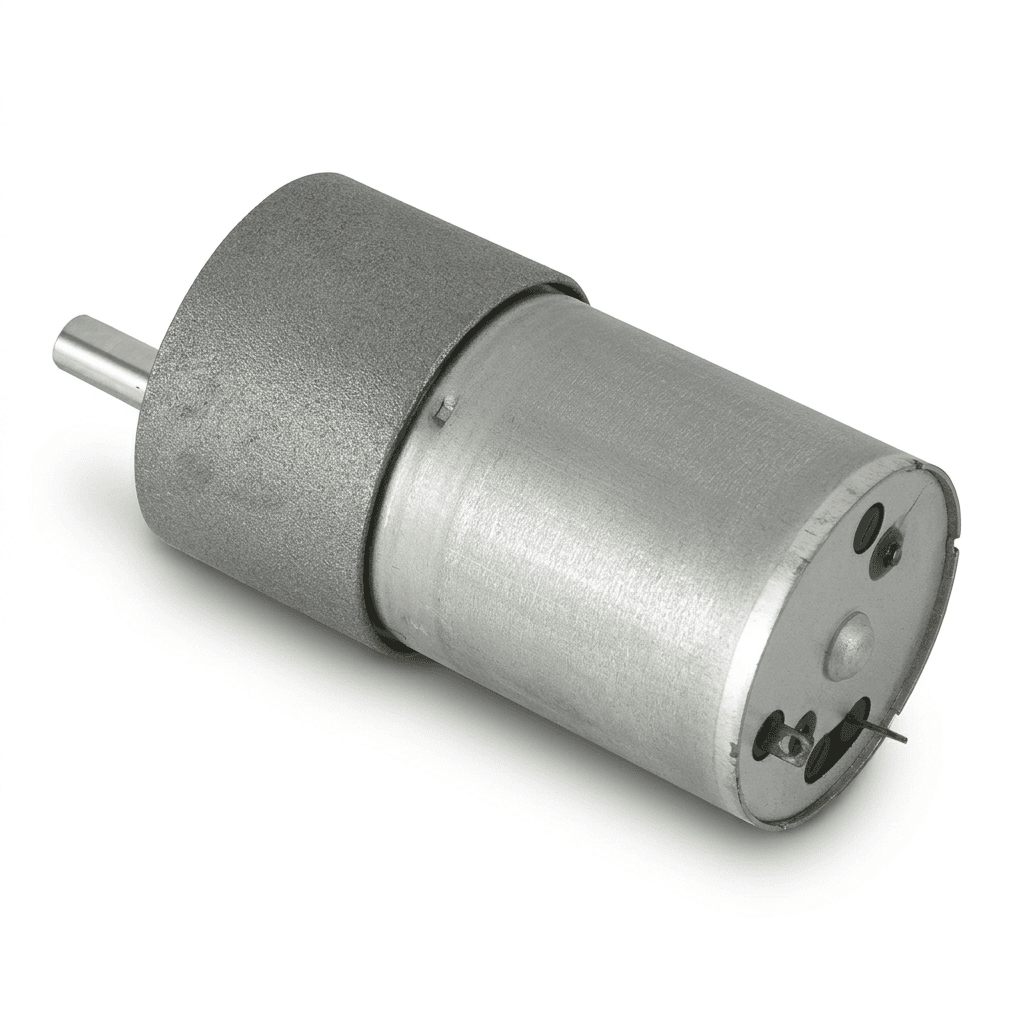
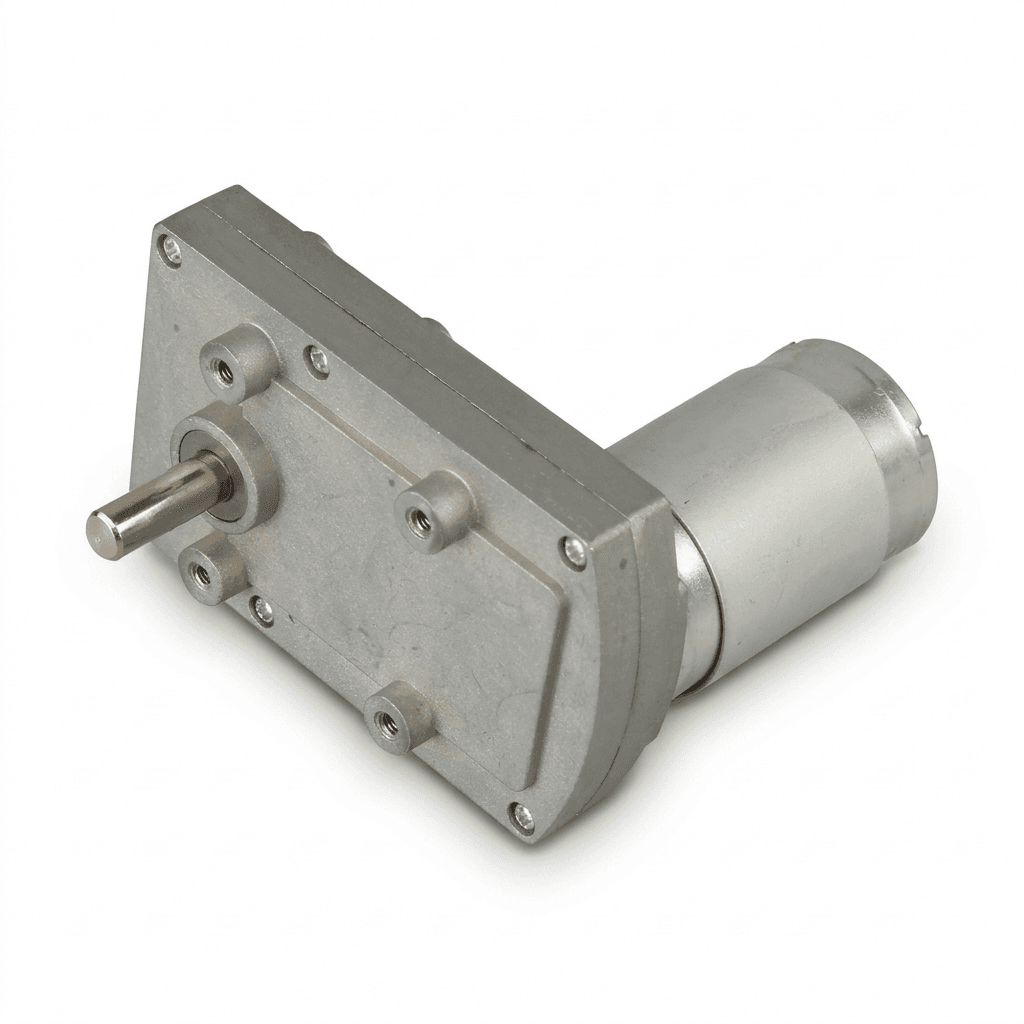
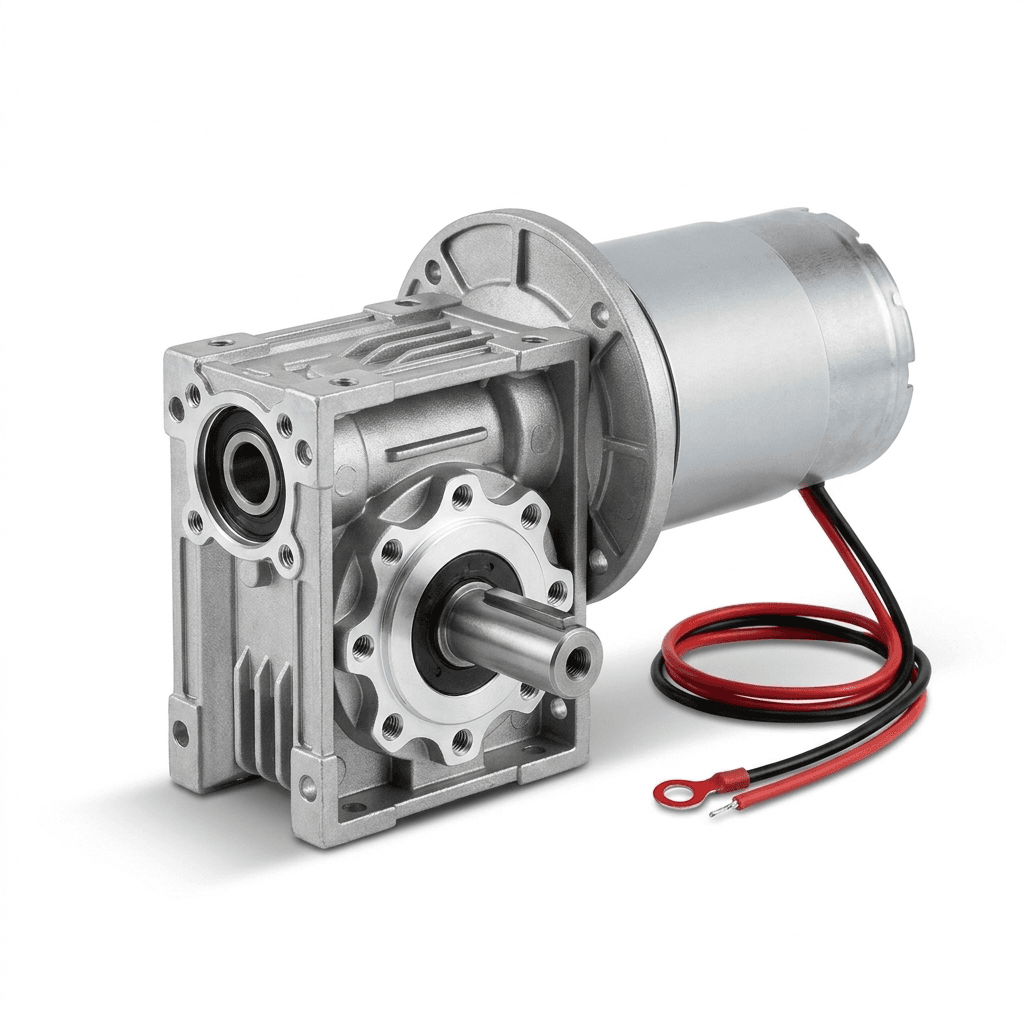
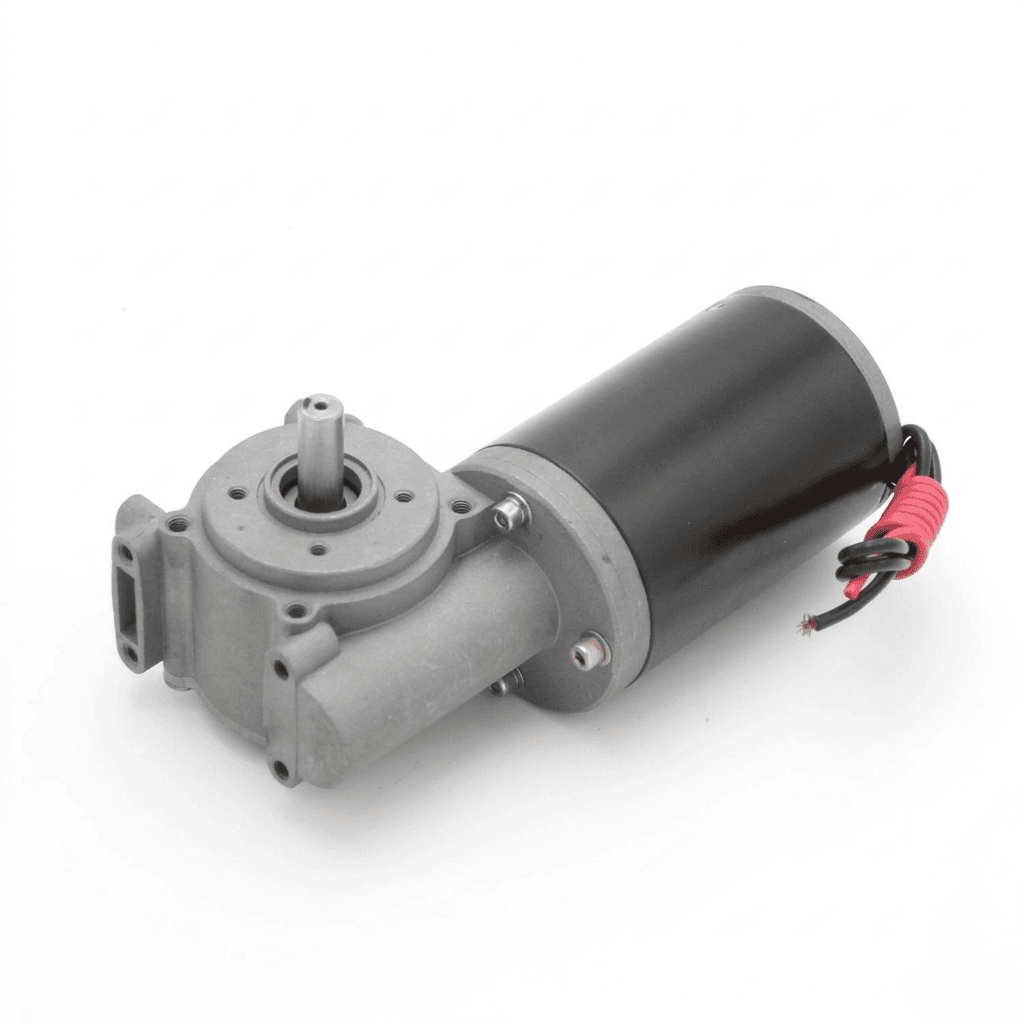
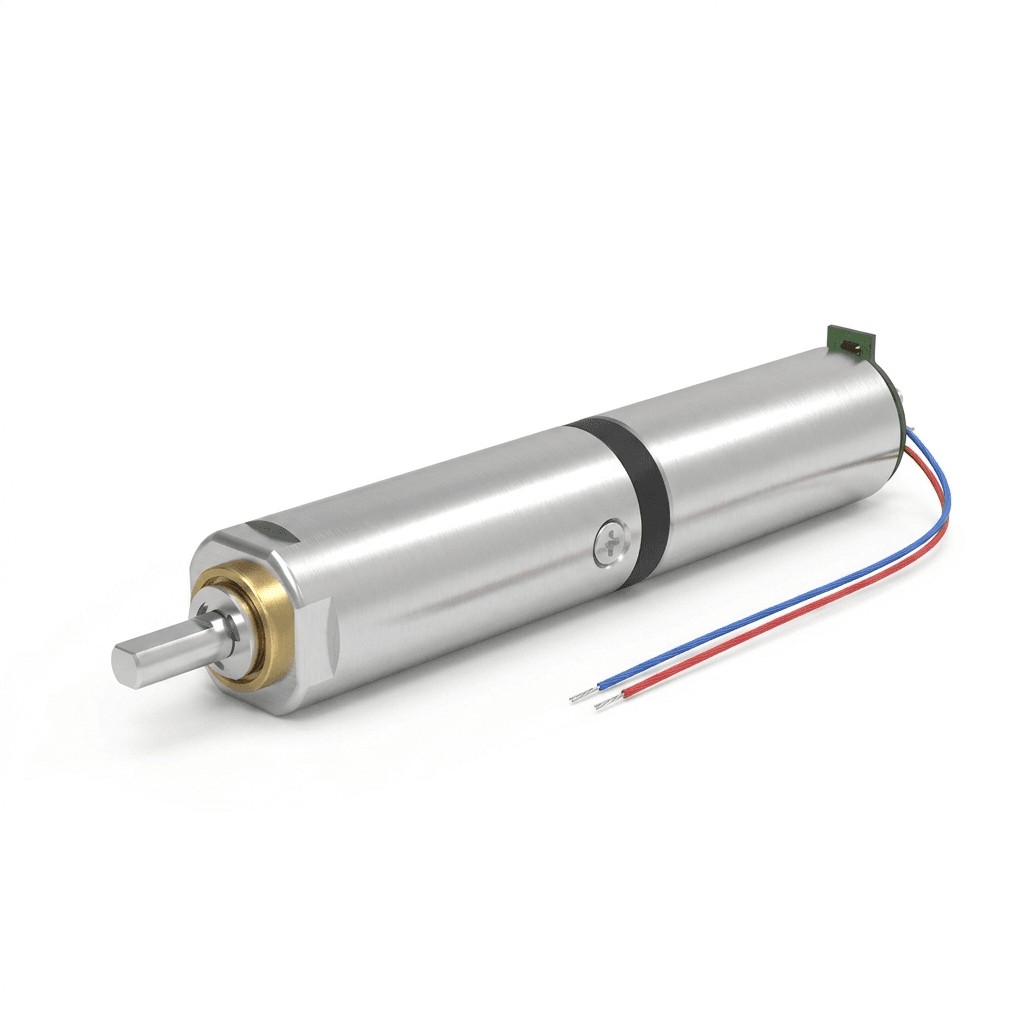
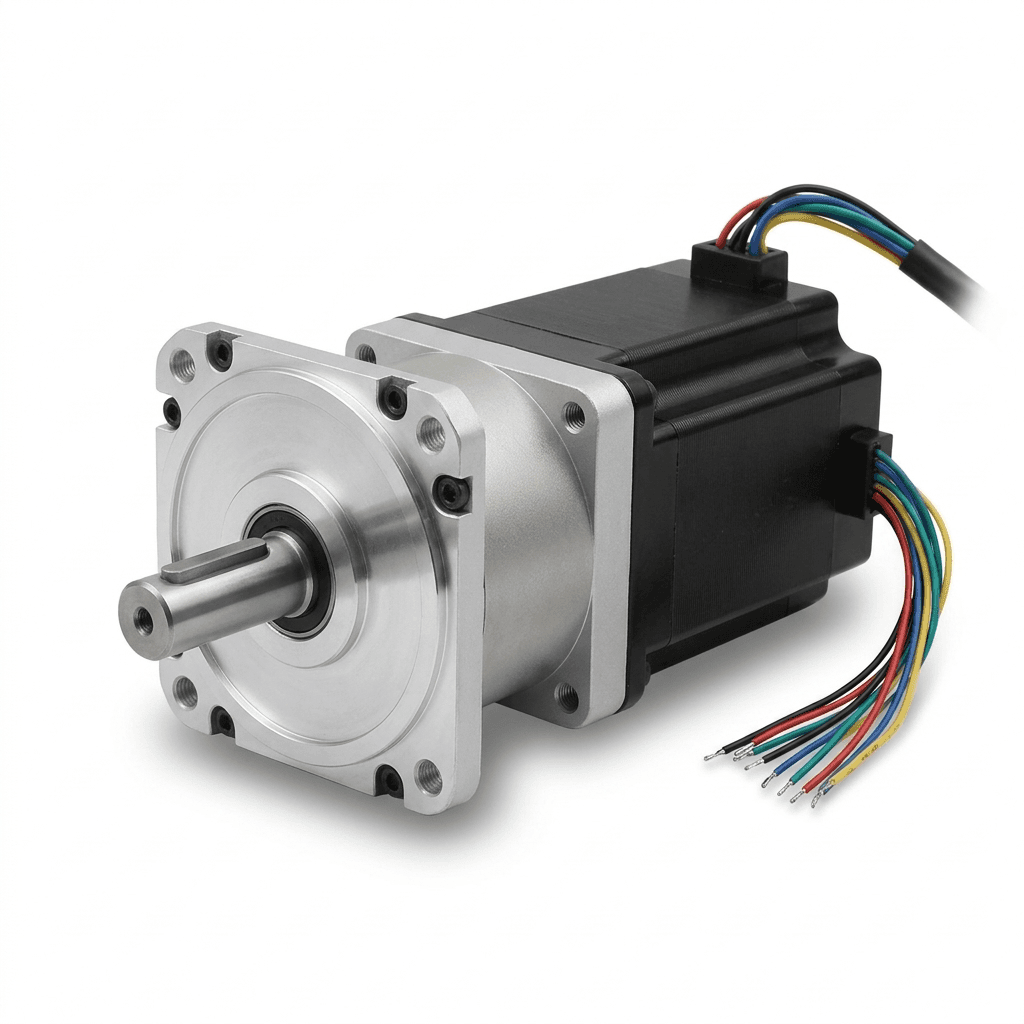
Representative production form factors and configurations for 12V/24V DC gearhead motor RFQ packaging, shaft styles, and mounting envelopes.
RFQ Next Step
Attach the checker result, drawing, quantity window, duty cycle, and validation requirements. Ask for two ratio options and evidence before negotiating price.
Inquiry Email
Start inquiry opens your default email app.